 Skip to content

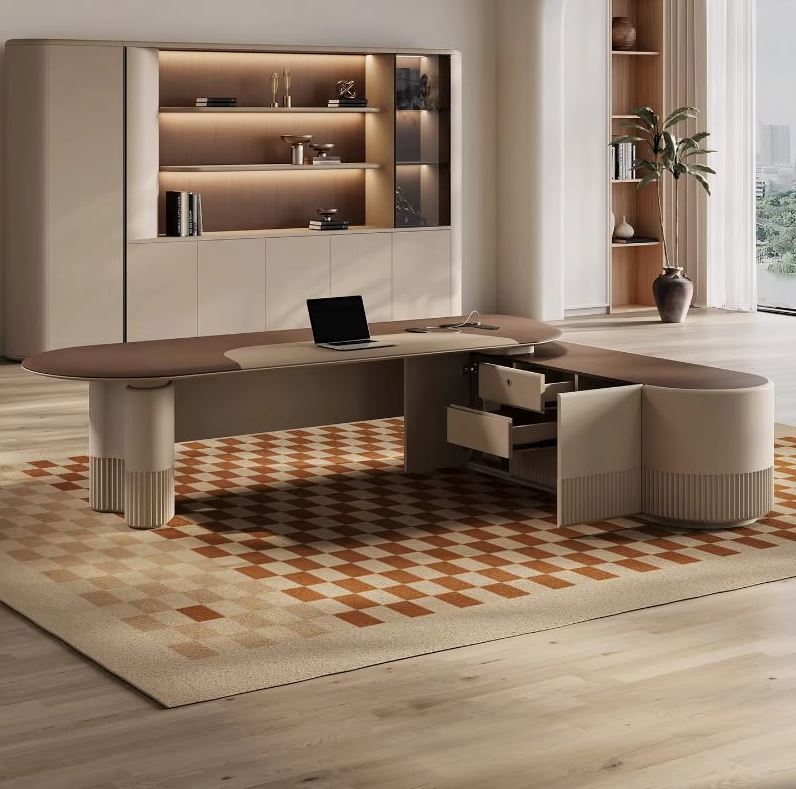
Choosing the right office setup is about more than simply filling a room with desks and chairs. Professional Office Furniture can influence how employees work, how clients perceive a company, and how efficiently a workplace uses its available space. For businesses in Manila and Quezon City, selecting furniture that balances comfort, durability, functionality, and appearance is especially important as offices continue to support different work styles, team structures, and business needs.
A well-planned office should make everyday tasks easier while creating an environment where employees can focus and collaborate comfortably. From executive desks and ergonomic office chairs to workstations, meeting tables, storage cabinets, and reception furniture, every piece should have a practical purpose. Businesses that invest in suitable office furniture can create a workplace that feels organized, professional, and prepared for long-term growth.
What Is Professional Office Furniture?
Professional office furniture refers to workplace furniture designed specifically for business environments. It typically includes desks, workstations, office chairs, conference tables, filing cabinets, reception counters, storage solutions, and other furnishings used to create a functional office.
Unlike furniture selected purely for appearance, professional office furniture considers factors such as employee comfort, workflow, available space, durability, organization, and the overall identity of a business. The right combination can help employees move efficiently through their daily responsibilities while giving visitors a positive impression.
For companies in Manila and Quezon City, furniture selection should also account for office size, team requirements, building layout, available budget, and future expansion.
Why Professional Office Furniture Matters for Businesses
Office furniture plays an important role in workplace productivity and employee experience. An uncomfortable chair or poorly positioned desk may seem like a small issue, but when employees use these items for several hours every day, comfort and usability become important considerations.
A properly designed workstation gives employees enough space for computers, documents, accessories, and personal work materials. Ergonomic seating can support a more comfortable working position, while practical storage reduces unnecessary clutter.
Furniture also communicates something about a company. A well-organized reception area can create a professional first impression. A thoughtfully designed meeting room can provide an appropriate environment for discussions with clients, suppliers, partners, or employees.
For growing businesses, furniture should ideally support today’s operations without creating unnecessary limitations tomorrow.
Choosing Office Furniture Based on Your Workplace Needs
Every business has different furniture requirements. A startup with a small team may need compact workstations and flexible desks, while a large corporate office may require a combination of employee workstations, executive offices, conference rooms, breakout areas, and storage.
Before purchasing furniture, consider how employees actually use the workplace. Think about the number of people who need individual work areas, how frequently teams collaborate, where meetings take place, and how much storage is required.
The office layout should also allow people to move comfortably between work areas. Desks placed too close together can make a workplace feel crowded, while excessive unused space can reduce efficiency.
A useful approach is to plan the furniture around workflow rather than selecting individual products first. Determine what each area needs to accomplish, then select furniture that supports that purpose.
Office Desks for Different Business Environments
Office desks are among the most important pieces of workplace furniture. The appropriate desk depends on the employee’s role, available space, equipment, and working style.
Standard work desks are suitable for many employees who primarily use computers and documents. Executive desks may provide a larger surface and a more substantial appearance for management offices. Compact desks can work well in smaller offices where floor space is limited.
Bench-style workstations can help businesses create efficient shared work areas, while modular workstation systems can provide greater flexibility when teams or departments change.
When selecting desks, businesses should consider surface size, cable management, storage options, construction quality, maintenance requirements, and how easily the furniture can fit into the existing office layout.
Ergonomic Office Chairs and Employee Comfort
A desk cannot function effectively without appropriate seating. Employees often spend a significant portion of their working day at their desks, making office chair selection an important consideration.
An ergonomic office chair should provide suitable support and allow users to adjust important features where possible. Seat height, back support, armrests, and overall adjustability can affect how comfortably an employee works.
Different employees may also have different preferences and requirements. Instead of choosing chairs based solely on appearance, businesses should consider usability and adjustability.
For companies purchasing furniture for an entire office, testing chairs before making a large purchase can be useful. It allows decision-makers to assess comfort, build quality, and adjustability in a real workplace environment.
Professional Office Furniture for Small Offices
Small offices require careful planning because every square meter matters. Large furniture pieces can quickly make a compact workplace feel crowded.
Businesses with limited space can consider streamlined desks, compact workstations, mobile storage, vertical filing solutions, and multipurpose furniture. Meeting areas can also be designed efficiently using appropriately sized conference tables and seating.
Storage deserves particular attention in smaller offices. Filing cabinets and pedestal units can help keep documents and supplies organized without occupying excessive floor space.
The goal is not simply to fit as much furniture as possible into a room. The objective is to create a workspace that remains functional, comfortable, and easy to navigate.
Office Furniture for Corporate Workspaces
Corporate offices often require several furniture categories within one location. Employee workstations, managerial desks, executive offices, conference rooms, reception areas, training spaces, and collaborative zones may all have different requirements.
Consistency is important in these environments. Furniture with complementary designs, materials, and finishes can create a cohesive workplace appearance.
At the same time, different departments may need different configurations. A finance team may require more filing and storage capacity, while a creative department may benefit from collaborative tables and flexible work areas.
A professional furniture plan can help coordinate these requirements while maintaining a consistent visual identity throughout the office.
Creating Better Meeting and Collaboration Areas
Modern offices often need spaces where employees can meet, brainstorm, review projects, and communicate with clients. A conference table and appropriate seating can create a dedicated environment for these activities.
The size of the meeting table should correspond with the number of people who normally use the room. There should also be sufficient circulation space around the table and enough room for presentation equipment if required.
For smaller teams, a compact meeting table may be sufficient. Larger businesses may need formal conference rooms as well as informal collaboration areas.
Furniture should support the purpose of the space instead of making the room unnecessarily crowded.
Reception Furniture and First Impressions
The reception area is often the first part of an office that visitors experience. It should therefore feel organized, welcoming, and aligned with the company’s professional identity.
A reception desk should provide enough working space for reception staff while allowing visitors to communicate comfortably. Seating should be positioned conveniently without blocking entrances or circulation paths.
The design does not have to be extravagant. Clean lines, appropriate proportions, organized storage, and a consistent furniture style can create a polished appearance.
For businesses in competitive commercial areas of Manila and Quezon City, a professional reception area can help establish credibility from the moment a visitor enters.
Storage Solutions for Organized Offices
Good storage is an essential part of office planning. Documents, stationery, equipment, files, and supplies can quickly create clutter if there is no dedicated place for them.
Filing cabinets remain useful for document-heavy environments, while mobile pedestals can provide convenient storage near individual workstations. Shelving and cabinets can also help businesses organize shared supplies.
Storage should be positioned according to how frequently items are accessed. Frequently used materials should be easy to reach, while archived documents can be stored in less prominent areas.
An organized office is easier to maintain and can provide employees with a more efficient working environment.
How to Choose Durable Office Furniture
Price should not be the only factor when purchasing workplace furniture. Durability is particularly important because office furniture may experience daily use from multiple employees over many years.
Pay attention to construction quality, hardware, surface materials, edges, joints, chair mechanisms, and warranty information where available. Businesses should also consider whether replacement components or after-sales support are available.
For larger office projects, purchasing furniture based on total value rather than initial cost can be more practical. A slightly higher-quality product may provide better long-term value if it remains functional and attractive for longer.
Professional Office Furniture in Manila and Quezon City
Businesses searching for office furniture in Manila and Quezon City have different requirements depending on their location, industry, workforce, and office building.
Manila businesses may operate in established commercial buildings where efficient use of available space is important. Quezon City has a wide range of corporate offices, educational institutions, professional services, and growing businesses with similarly varied requirements.
Local buyers should consider delivery, installation, available showroom options, customization, lead times, and after-sales support when evaluating an office furniture supplier.
It is also useful to view furniture in person whenever possible. Measurements, finishes, colors, seating comfort, and actual proportions can be difficult to judge from product photographs alone.
How Much Office Furniture Do You Need?
The quantity of furniture required depends on the number of employees, office layout, business operations, and types of workspaces needed.
Start by determining the number of individual workstations. Then consider management offices, meeting rooms, reception areas, storage requirements, collaborative spaces, and other specialized areas.
It is wise to leave enough circulation space rather than filling every available area with furniture. A workplace that looks attractive on a floor plan may feel uncomfortable if people cannot move freely once everything is installed.
For this reason, furniture planning should ideally be completed alongside office space planning.
Common Mistakes When Buying Office Furniture
One common mistake is choosing furniture based entirely on appearance. A stylish desk may not provide enough working space, while an attractive chair may not offer the adjustability employees need.
Another mistake is ignoring measurements. Always check the dimensions of the furniture against the room, doorways, elevators, corridors, and intended placement.
Businesses should also avoid purchasing too much furniture before understanding their actual workflow. Buying unnecessary pieces can waste budget and reduce usable floor space.
Ignoring storage is another frequent problem. Without adequate storage, even a well-designed office can quickly become disorganized.
Finally, businesses should avoid making large purchases without considering future changes. Modular and flexible furniture can be useful when teams grow or office layouts change.
What Should You Consider Before Buying Office Furniture?
Before placing an order, evaluate the office size, employee count, workflow, furniture dimensions, ergonomic requirements, storage needs, materials, durability, budget, delivery arrangements, installation, and future expansion.
It is also important to determine whether furniture needs to be customized. Some workplaces have unusual room dimensions or specific requirements that standard furniture cannot easily accommodate.
A professional supplier should be able to discuss these requirements and help identify practical options rather than simply recommending the most expensive products.
How Professional Office Furniture Supports Business Growth
As businesses expand, their workplace needs often change. Additional employees may require more desks, departments may need dedicated areas, and meeting requirements can increase.
Furniture that is modular, durable, and adaptable can make these changes easier. Businesses can add or rearrange workstations instead of replacing an entire office setup.
This flexibility can be particularly valuable for startups and growing companies. Rather than designing an office only for today’s workforce, businesses can consider how the workplace may function as the organization develops.
FAQ About Professional Office Furniture
What Is The Best Professional Office Furniture For A Business?
The best choice depends on the company’s employees, office size, workflow, budget, and design requirements. Functional, durable, comfortable, and appropriately sized furniture is generally the strongest starting point.
How Do I Choose Office Furniture For A Small Office?
Prioritize space-efficient desks, ergonomic chairs, practical storage, and furniture that supports multiple purposes. Accurate measurements should be taken before purchasing.
Is Ergonomic Furniture Worth Buying?
Yes. Employees who spend long periods working at desks can benefit from adjustable and supportive furniture designed around comfortable working positions.
What Office Furniture Does A New Company Need?
A basic setup may include work desks, ergonomic chairs, storage, reception furniture, and meeting furniture. The exact requirements depend on the business and workplace layout.
Should Office Furniture Match The Company Brand?
It can. Coordinated furniture finishes and design elements can create a consistent professional environment without requiring every piece to look identical.
Where Can Businesses Buy Office Furniture In Manila?
Businesses should compare suppliers based on product quality, customization options, delivery, installation, customer support, pricing, and the ability to meet their specific workplace requirements.
Final Thoughts On Choosing Office Furniture
The right office furniture can influence workplace comfort, organization, efficiency, and professional presentation. Whether you are furnishing a small startup, expanding a corporate office, setting up a school facility, or renovating a professional workplace, furniture should be selected according to how people actually use the space.
Businesses in Manila and Quezon City should look beyond individual products and consider the complete workplace environment. Desks, chairs, workstations, storage, meeting furniture, and reception pieces should work together to create a practical and comfortable office.
For businesses looking for dependable workplace solutions, Modern Desks and Office Cubicles can be considered when planning an office environment that combines functionality, organization, and a professional appearance.
