 Skip to content

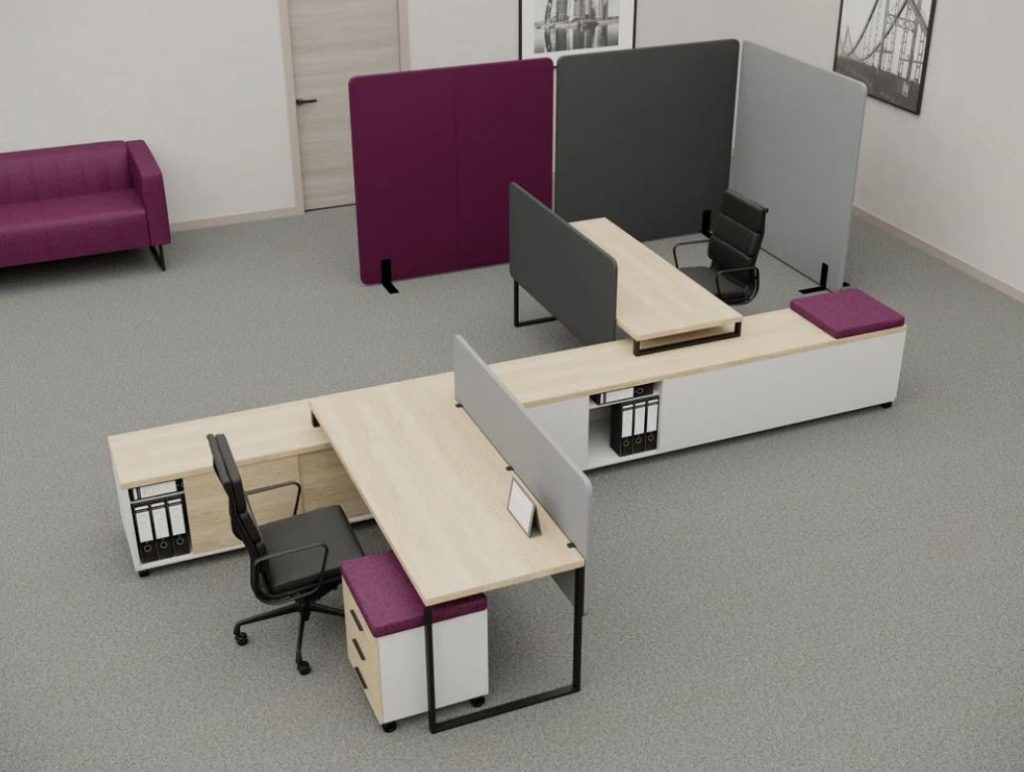
The way offices are designed in the Philippines is changing as businesses look for workspaces that are practical, comfortable, attractive, and adaptable. Furniture Trends Philippines now reflects a stronger focus on ergonomic comfort, flexible layouts, collaborative areas, space efficiency, and modern aesthetics. From corporate offices in Manila to growing businesses in Quezon City, companies are paying closer attention to how desks, chairs, storage units, meeting tables, and office cubicles influence productivity and employee experience.
For businesses planning a new office or upgrading an existing workspace, understanding current furniture trends can make purchasing decisions easier. The right furniture should not only look professional but also support daily work, available floor space, employee needs, and long-term business growth.
What Are the Latest Furniture Trends in the Philippines?
Modern Philippine offices are moving toward furniture that combines functionality with a clean and professional appearance. Businesses are increasingly considering ergonomic desks, modular workstations, collaborative furniture, private meeting spaces, and efficient storage solutions.
Office furniture is no longer viewed simply as equipment placed inside a room. It has become part of workplace planning. Furniture can influence movement, communication, comfort, organization, and the overall impression visitors receive when they enter an office.
This is particularly important in busy business areas such as Manila and Quezon City, where office space can be limited and every square meter needs to serve a purpose.
Ergonomic Office Furniture Is Becoming a Priority
Employee comfort is one of the most important considerations in modern office planning. Businesses are increasingly selecting ergonomic office furniture designed to support healthier working positions throughout the day.
Adjustable office chairs, properly sized desks, monitor-friendly workstations, and furniture with suitable legroom can create a more comfortable working environment. Ergonomic furniture can also help businesses create workstations that accommodate different employee heights and working preferences.
An ergonomic approach does not necessarily mean buying the most expensive furniture. It means choosing furniture according to how employees actually use their workstations.
For example, an office desk should provide enough surface area for computers, documents, and essential equipment without making the workspace feel crowded. Office chairs should provide suitable back support and allow users to maintain a comfortable sitting position.
Modular Office Furniture for Flexible Workspaces
Flexibility is another major direction in modern office design. Businesses may expand, reorganize teams, introduce hybrid work arrangements, or change departmental requirements over time.
Modular office furniture can make these changes easier.
Modular workstations and office cubicles can often be rearranged according to changing requirements. Instead of completely replacing furniture whenever the office layout changes, businesses can select systems that provide greater flexibility.
This approach is especially useful for startups, growing companies, shared offices, and businesses operating in smaller commercial spaces.
Office Cubicles Continue to Evolve
Office cubicles remain a practical choice for Philippine workplaces, but modern cubicle designs are very different from the enclosed systems associated with older office environments.
Today, businesses can choose open, semi-private, collaborative, and privacy-focused workstation configurations. Lower partitions can encourage communication, while higher panels can provide greater concentration and privacy.
The right configuration depends on the nature of the work.
For teams that regularly communicate, an open workstation arrangement may be appropriate. Employees handling confidential information or tasks requiring concentration may benefit from greater visual and acoustic separation.
Modern cubicles can therefore provide a balance between personal workspace and team interaction.
Space-Saving Furniture for Manila and Quezon City Offices
Furniture Trends Philippines is an important consideration for businesses in Manila and Quezon City. A well-designed office does not necessarily require a large floor area. Instead, businesses can make better use of the available space through thoughtful furniture selection.
Compact desks, benching systems, vertical storage, mobile pedestals, and strategically designed workstations can help reduce unnecessary floor usage.
Space-saving furniture is particularly useful for startups and small businesses that want to create professional work environments without dedicating excessive space to individual workstations.
The goal should be to create enough room for employees to work comfortably while maintaining clear walkways and functional common areas.
Collaborative Furniture for Team-Based Work
Modern workplaces increasingly require employees to communicate, share ideas, and work together. As a result, collaborative furniture is becoming an important part of office planning.
Meeting tables, shared workstations, lounge seating, and informal discussion areas can give employees different environments for different tasks.
A large conference table may be suitable for formal meetings, while smaller tables can support quick discussions. Lounge furniture can provide a more relaxed environment for brainstorming or informal conversations.
Instead of designing every part of the office around individual desks, businesses can create a combination of focused work areas and collaborative zones.
Modern Office Desks With Practical Features
Office desks remain one of the most important furniture investments for any workplace. Current designs increasingly focus on simplicity, functionality, cable management, durability, and efficient use of space.
A modern office desk should accommodate the equipment employees actually use. Depending on the workplace, this may include computers, monitors, keyboards, documents, telephones, and other office equipment.
Cable management is also becoming increasingly important. Built-in cable openings and organized wire-management systems can help maintain a cleaner appearance while reducing clutter around workstations.
For businesses purchasing furniture in larger quantities, consistency in desk dimensions and finishes can also create a more organized overall office appearance.
Minimalist Office Furniture Is Gaining Attention
Minimalist office design remains popular because it can make workspaces appear organized and spacious. Clean lines, practical shapes, neutral finishes, and uncluttered layouts can create a professional environment without excessive decoration.
However, minimalist does not mean empty.
A successful minimalist office still needs sufficient storage, comfortable seating, functional workstations, and appropriate meeting areas. The focus is on removing unnecessary visual clutter while keeping everything employees need within easy reach.
This approach can work particularly well in contemporary corporate offices, startups, professional service firms, and creative workplaces.
Sustainable and Durable Furniture Choices
Sustainability is becoming a more relevant consideration when businesses purchase office furniture. Companies may look at material durability, product lifespan, repairability, and responsible sourcing when comparing different furniture options.
Durable furniture can also provide practical financial benefits. Furniture that remains functional and presentable for longer periods may reduce the frequency of replacement.
Businesses should therefore consider more than the initial purchase price. A lower-cost product may not always provide the best long-term value if it requires frequent repairs or replacement.
When comparing office furniture, buyers should evaluate construction quality, materials, warranty coverage, maintenance requirements, and expected usage.
Technology-Friendly Office Furniture
Technology has changed the way employees use office furniture. Modern workstations often need to accommodate multiple monitors, laptops, charging devices, power connections, and other equipment.
This makes technology-friendly furniture an increasingly important consideration.
Workstations with integrated cable management, accessible power points, monitor-friendly surfaces, and suitable storage can help employees maintain organized work areas.
Meeting rooms also benefit from furniture designed around modern technology. Conference tables should provide enough space for laptops and presentation equipment while keeping cables organized.
Reception and Waiting Area Furniture Matters
Furniture trends are not limited to employee workstations. Reception areas also play an important role in creating a professional first impression.
A reception desk should reflect the company’s brand while providing enough space for daily administrative tasks. Comfortable visitor seating can improve the experience of clients, suppliers, applicants, and business partners.
For companies in competitive industries, the reception area can communicate professionalism before a meeting even begins.
Businesses should therefore consider the appearance, comfort, durability, and practical requirements of reception furniture as part of the overall office design.
Furniture Selection Should Match the Business
There is no single furniture solution that works for every Philippine business. A law office may require more private workstations and meeting rooms, while a creative agency may benefit from flexible collaborative areas.
A school, hospital administration office, government department, startup, and corporate headquarters can also have completely different requirements.
Before purchasing furniture, businesses should consider the number of employees, available floor area, type of work, storage requirements, technology needs, privacy expectations, future expansion, and budget.
This prevents businesses from selecting furniture based solely on appearance.
How to Choose Office Furniture in the Philippines
Start by evaluating the existing workspace. Measure the available area and identify doors, windows, columns, electrical outlets, emergency routes, and other fixed elements.
Next, determine how many employees will use the space and how teams interact throughout the day. Consider whether employees need individual workstations, shared desks, private areas, meeting rooms, or collaborative spaces.
Furniture should then be selected according to these requirements.
Businesses should also compare material quality, dimensions, ergonomic features, warranty terms, maintenance requirements, and customization options.
For larger office projects, it can be helpful to create a furniture layout before purchasing products. This allows businesses to identify potential space problems before installation begins.
Common Office Furniture Mistakes to Avoid
One common mistake is buying furniture based entirely on appearance. A desk may look attractive in a showroom but may not provide enough working space for the employees who will use it.
Another mistake is ignoring circulation space. Filling an office with too many desks can make the workplace uncomfortable and difficult to navigate.
Businesses should also avoid choosing identical furniture for every area without considering different work requirements. Focused work, meetings, reception, collaboration, and storage may require different solutions.
Finally, buyers should avoid focusing only on the initial price. Quality, durability, ergonomics, warranty, installation, and long-term usability should also be included in the purchasing decision.
Furniture Trends Philippines for Growing Businesses
Growing businesses need furniture that can adapt as their teams expand. Modular workstations, flexible meeting furniture, mobile storage, and scalable office layouts can make future changes easier.
A company may start with ten employees and eventually require space for fifty or more. Furniture planning should therefore consider future growth rather than only today’s requirements.
Scalable furniture can help businesses maintain a consistent workplace design while gradually adding or rearranging workstations.
This is especially valuable for startups and expanding companies in Metro Manila and Quezon City.
How Modern Furniture Can Improve Office Productivity
Furniture does not automatically increase productivity, but a well-planned workplace can remove common barriers to efficient work.
Comfortable workstations can make extended computer work easier. Organized storage can reduce time spent searching for documents. Collaborative areas can support communication, while private spaces can help employees concentrate on tasks requiring greater focus.
The most effective office design provides employees with the appropriate environment for different types of work.
That is why furniture selection should be connected to workplace planning rather than treated as a purely decorative decision.
Why Businesses Should Plan Before Buying Furniture
A furniture purchase can represent a significant investment, particularly when an entire office needs to be furnished. Planning helps businesses avoid unnecessary purchases and layout problems.
A good plan should consider floor dimensions, employee capacity, workstation requirements, storage, meeting areas, reception space, electrical access, circulation, and future expansion.
Businesses should also identify which furniture needs customization and which products can be purchased as standard units.
For offices in Manila and Quezon City, working with a furniture provider that understands commercial workspace requirements can make the planning and purchasing process more efficient.
Frequently Asked Questions About Furniture Trends Philippines
What are the biggest office furniture trends in the Philippines?
Ergonomic workstations, modular furniture, space-efficient designs, collaborative areas, modern office cubicles, technology-friendly desks, and durable materials are among the key trends shaping contemporary Philippine workplaces.
Is modern office furniture suitable for small offices?
Yes. Compact desks, modular workstations, vertical storage, and flexible furniture layouts can help small offices use limited floor space efficiently.
Are office cubicles still popular in the Philippines?
Yes. Modern office cubicles remain practical because they can provide employees with defined work areas while supporting efficient space planning and team organization.
What should businesses consider when buying office furniture?
Businesses should consider dimensions, ergonomics, durability, materials, layout, employee requirements, storage, technology needs, warranty, maintenance, and future expansion.
Is ergonomic furniture worth the investment?
For employees who spend significant time at desks, ergonomic furniture can provide greater comfort and support a better working setup. Businesses should select ergonomic products based on actual employee needs and workstation use.
Where can businesses find modern office furniture?
Businesses can compare office desks, workstations, cubicles, chairs, meeting furniture, and storage solutions from established Philippine office furniture providers and select products based on their workspace requirements.
Create a More Functional Office With Modern Furniture
The latest Furniture Trends Philippines are centered on practical design, employee comfort, flexible layouts, efficient space utilization, and long-term value. Businesses no longer need to choose between attractive furniture and functional workspaces. With careful planning, modern office furniture can support both workplace performance and professional presentation.
For businesses planning an office renovation, relocation, or new workspace in Manila or Quezon City, Modern Desks and Office Cubicles can be considered when exploring furniture solutions suited to contemporary workplace requirements. The best results come from evaluating the complete workspace first and then selecting furniture that supports the people, technology, workflow, and future growth of the business.
