 Skip to content

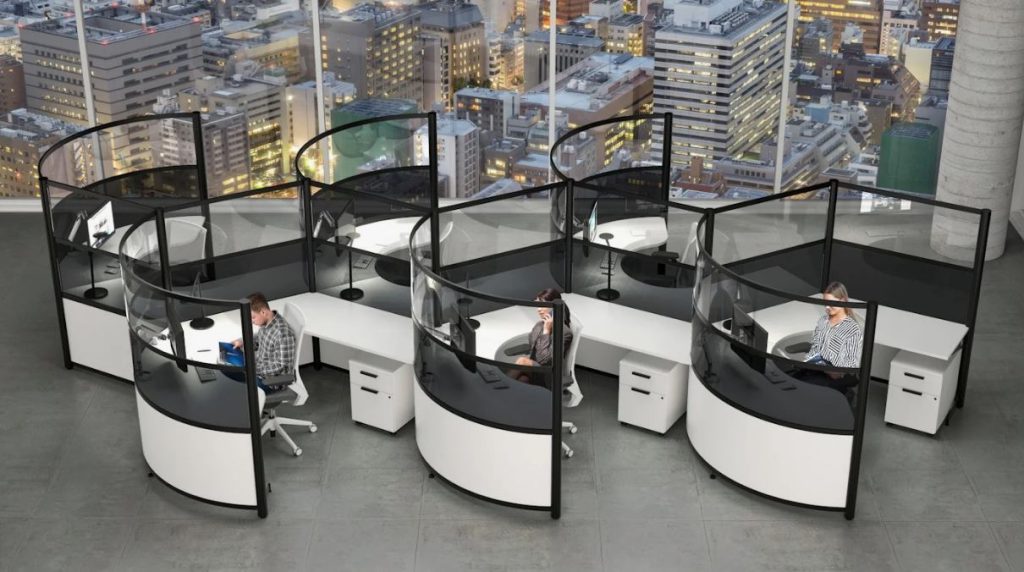
Choosing the right workspace layout can influence privacy, collaboration, productivity, and how efficiently an office uses its available floor area. For businesses planning a new workplace or upgrading an existing one, Office Cubicles Manila can provide a practical way to organize employees while maintaining a professional and comfortable environment. From startups and growing companies to schools, corporate offices, government departments, and professional firms, cubicles can be adapted to different workplace requirements.
What Are Office Cubicles?
Office cubicles are modular workstation systems designed to create individual or shared work areas within a larger office. They commonly include partition panels, work surfaces, storage components, cable-management features, and accessories.
Unlike permanent walls, modular cubicles can often be rearranged as business requirements change. This makes them useful for companies that expect to add employees, reorganize departments, or make better use of their available floor space.
A well-designed cubicle system can create a balance between personal workspace and communication. The right configuration depends on employee roles, office size, privacy requirements, workflow, lighting, storage needs, and the organization’s budget.
Why Businesses Choose Office Cubicles in Manila
Manila businesses operate in a highly competitive commercial environment where efficient use of office space matters. A carefully planned workstation layout can help businesses accommodate employees without creating unnecessary barriers between departments.
Cubicles can separate individual workstations while preserving an open-office atmosphere. Employees can have a defined workspace, while managers and teams can still maintain convenient communication.
Another advantage is flexibility. Modular workstation components can be configured in different ways, allowing businesses to adapt their office when staffing levels or departmental requirements change.
For companies located in commercial buildings where floor space is limited, efficient workstation planning can also help create a more organized workplace without relying entirely on permanent partitions.
Choosing the Right Cubicle Layout
There is no single cubicle configuration suitable for every Manila office. The layout should reflect how employees actually work.
A company with employees who frequently communicate may benefit from lower partitions and collaborative workstation arrangements. Employees handling confidential documents or requiring concentration may need greater visual separation.
Common configurations include:
- Straight workstation layouts
- L-shaped cubicles
- Clustered workstations
- Back-to-back workstations
- Bench-style workstations
- Team workstations
- Manager workstations
- Cubicles with integrated storage
Before selecting a configuration, businesses should consider walking paths, entrances, meeting areas, storage, natural light, electrical outlets, and emergency access.
Office Cubicles for Small and Large Businesses
Small businesses often need furniture that can support growth without requiring a complete office redesign every time the team expands. Modular cubicles can provide a structured starting point while allowing additional workstations to be incorporated later.
Larger organizations may require standardized workstation systems across several departments. In these environments, consistency can make the office easier to manage while giving employees similar access to workspace features.
For corporate offices in Manila, workstation planning can also take department-specific requirements into account. Finance, sales, administration, customer service, human resources, and technical teams may have different needs for privacy, storage, and collaboration.
Important Features to Consider
When comparing Office Cubicles Manila, businesses should look beyond appearance. The workstation should support everyday employee activities.
Important considerations include desk dimensions, partition height, material quality, cable management, storage capacity, durability, and accessibility.
Ergonomics also deserves attention. Employees spend substantial periods working at their desks, so workstation dimensions should work well with appropriate office chairs, monitors, keyboards, and other equipment.
Cable management is another practical feature. Properly routed power and data cables can keep workstations organized and reduce loose wires around desks and walkways.
Storage can also influence the overall design. Pedestals, mobile drawers, overhead cabinets, and under-desk storage can help employees keep frequently used items accessible without cluttering the main work surface.
Office Cubicles and Workplace Privacy
Privacy requirements vary considerably between businesses. A customer-service team may require an open and communicative arrangement, while accounting or human-resources personnel may handle information that requires more separation.
Partition height and workstation positioning can influence visual privacy. However, privacy is not only about blocking visibility. Acoustic conditions, meeting-room availability, document storage, and office traffic patterns should also be considered.
For workplaces that need confidential conversations, dedicated meeting rooms or private offices may complement cubicle systems rather than trying to make every workstation completely enclosed.
Materials and Durability Matter
Office furniture receives regular daily use, so material selection should be considered carefully. Work surfaces should be appropriate for computers, documents, phones, and other equipment used by employees.
Partition materials should also suit the intended working environment. Businesses can compare different finishes, panel constructions, surface materials, and edge details according to their design preferences and maintenance requirements.
Durability is particularly important for high-use environments such as call centers, schools, administrative offices, and large corporate workplaces.
Designing Office Cubicles for Manila Workplaces
Local workplace conditions should be considered when planning a cubicle system. Manila offices may have different building layouts, floor areas, ventilation arrangements, lighting conditions, and employee densities.
The furniture should work with the existing office rather than simply being placed wherever space is available.
Before ordering, measure the floor area and identify:
- Available wall space
- Columns and structural features
- Doors and entrances
- Windows
- Electrical outlets
- Air-conditioning vents
- Emergency exits
- Existing storage
- Meeting areas
- Employee circulation paths
Accurate measurements can prevent costly layout problems during installation.
Office Cubicles for Quezon City Businesses
Businesses searching for office furniture in Quezon City can apply the same planning principles while considering their particular building and workplace requirements. A well-planned workstation arrangement can make a compact office feel more organized and provide employees with clearly defined areas for daily work.
Companies moving into a new Quezon City office should ideally plan furniture before finalizing the interior layout. This allows workstation placement, lighting, electrical requirements, storage, and employee circulation to be considered together.
How Much Office Space Does Each Cubicle Need?
The required space depends on the workstation design, desk dimensions, circulation requirements, storage, and local building considerations. Instead of choosing a cubicle solely based on a standard footprint, businesses should plan the entire room.
For example, placing too many workstations into a floor plan may reduce walking space and make the office uncomfortable. Conversely, using oversized workstations may leave valuable floor area underutilized.
The better approach is to determine employee requirements first and then create a furniture plan around those requirements.
Common Mistakes When Buying Office Cubicles
One common mistake is selecting furniture based only on price. The cheapest workstation may not provide the durability, storage, ergonomics, or flexibility required for long-term use.
Another mistake is ignoring future growth. A company expecting to add employees should consider whether additional workstations can be integrated into the existing system.
Poor measurement is another frequent issue. Businesses should account for doors, columns, walkways, electrical connections, air-conditioning, and other fixed features before finalizing an order.
It is also important to avoid choosing a design simply because it looks attractive in photographs. The workstation needs to suit the actual workflow and daily requirements of the employees who will use it.
How to Plan a Cubicle Purchase
A practical purchasing process can begin with a workplace assessment. Determine the number of employees, departments, workstation types, storage requirements, privacy expectations, and available floor area.
Next, prepare a basic office layout and identify areas requiring special furniture. After that, compare materials, dimensions, configurations, accessories, installation requirements, and maintenance considerations.
Businesses should also ask suppliers about customization, lead times, installation, warranty coverage, replacement components, and after-sales support.
For larger projects, requesting a detailed quotation based on the actual floor plan can make comparisons more useful than comparing individual desk prices alone.
Modern Office Cubicles and Professional Design
Modern workspaces increasingly combine functionality with a clean visual appearance. Neutral finishes, practical storage, integrated cable management, and consistent workstation layouts can create an organized office environment.
However, modern design does not necessarily mean complicated furniture. A simple modular workstation can be highly effective when its dimensions, placement, storage, lighting, and accessories are carefully planned.
Businesses can also coordinate workstation finishes with reception counters, conference tables, office chairs, cabinets, and other office furniture to create a consistent workplace appearance.
Where to Buy Office Cubicles in Manila
When searching for Office Cubicles Manila, businesses should evaluate suppliers based on more than product photographs or advertised prices. Consider product quality, customization options, workstation planning, installation, delivery arrangements, warranty support, and the supplier’s ability to handle commercial projects.
A professional supplier should be able to understand the intended use of the furniture and recommend configurations based on employee numbers and available space.
Modern Desks and Office Cubicles can be considered when businesses are comparing workstation solutions for offices that require practical layouts, organized work areas, and furniture suited to professional environments.
Frequently Asked Questions
What are office cubicles used for?
Office cubicles create defined employee workstations within a shared office while supporting organization, privacy, and efficient use of floor space.
Are cubicles suitable for small offices?
Yes. Modular cubicles can be configured for smaller spaces, provided the layout maintains adequate circulation and accommodates the required furniture and equipment.
Can office cubicles be customized?
Many modular systems can be configured with different workstation shapes, partition arrangements, storage options, finishes, and accessories depending on the supplier and product range.
Are office cubicles suitable for corporate offices?
Yes. Cubicle systems can support standardized workstation layouts across departments and can be adapted for different employee roles.
What should I check before buying office cubicles?
Check dimensions, materials, durability, ergonomics, storage, cable management, customization, installation, warranty, and whether the proposed layout fits your actual office.
Can cubicles be used in Quezon City offices?
Yes. Cubicle systems can be planned for offices in Quezon City according to available floor space, employee requirements, building conditions, and workflow.
How can I choose the right cubicle layout?
Start with employee numbers, work functions, privacy requirements, storage needs, available floor area, circulation, lighting, and future expansion plans.
Final Thoughts
Choosing Office Cubicles Manila is not simply a furniture purchase. It is a workplace-planning decision that can influence organization, employee comfort, privacy, collaboration, and how efficiently an office uses its available space.
Businesses in Manila and Quezon City should evaluate their actual requirements before selecting a workstation system. Measuring the office accurately, planning employee circulation, considering ergonomics, allowing for future growth, and comparing supplier support can lead to a more practical investment.
If you are planning a new office, expanding your team, or renovating an existing workplace, requesting a workstation layout and quotation can be a useful next step. Discuss your floor area, employee count, preferred design, storage requirements, and budget with Modern Desks and Office Cubicles to determine which cubicle arrangement fits your workplace needs.
