 Skip to content

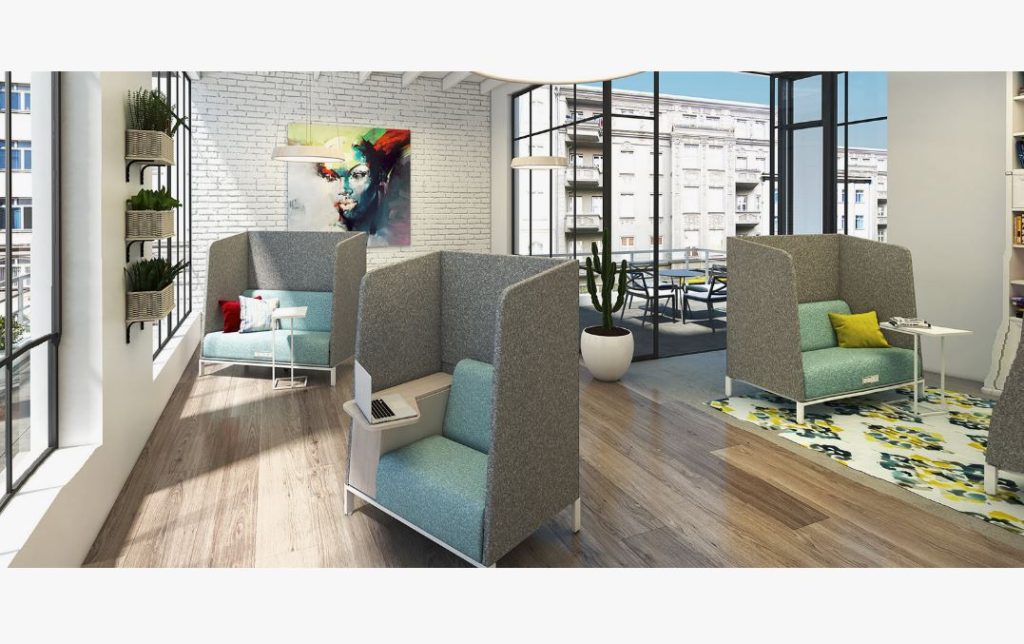
A well-designed workplace can influence productivity, comfort, collaboration, and the overall impression a company creates for employees and visitors. For businesses looking for reliable Corporate Furniture Philippines solutions, choosing the right furniture involves more than selecting desks and chairs that look attractive. Corporate furniture should support the way employees work, fit the available office space, accommodate technology, and remain practical as the business grows.
Companies in Manila and Quezon City have different workplace requirements depending on their industry, workforce size, office layout, and budget. A startup may need flexible workstations and collaborative tables, while an established corporate office may require executive desks, conference tables, ergonomic chairs, storage cabinets, reception furniture, and customized workstations. The right furniture plan brings these requirements together into a functional and professional environment.
What Is Corporate Furniture?
Corporate furniture refers to furniture designed specifically for professional workplaces and business environments. It can include office desks, workstations, executive tables, conference tables, reception counters, filing cabinets, office chairs, storage solutions, partitions, and collaborative furniture.
Unlike ordinary household furniture, corporate furniture is selected around workplace needs. It needs to support frequent daily use, employee comfort, efficient movement, technology requirements, storage, and the company’s professional image.
A successful corporate office therefore considers both appearance and functionality. A visually impressive desk is not necessarily the best choice if it creates limited workspace or poor cable management. Similarly, a low-cost chair may become an expensive choice if employees find it uncomfortable after extended use.
Why Corporate Furniture Matters for Philippine Businesses
The modern workplace has become more flexible. Many Philippine businesses combine individual work areas, meeting spaces, private offices, collaborative zones, reception areas, and employee break areas. Furniture needs to accommodate these different activities without making the office feel crowded.
Good corporate furniture can help businesses make better use of available floor space. Properly planned workstations can provide employees with dedicated areas while maintaining efficient circulation. Meeting tables can create organized spaces for discussions, while storage furniture can reduce clutter.
Furniture also contributes to workplace identity. A professional reception area can create a positive first impression when clients arrive. Consistent desk finishes, colors, partitions, and seating can also reinforce a company’s visual identity.
For companies operating in busy commercial areas of Metro Manila, space efficiency is particularly important. A carefully planned furniture layout can allow a business to accommodate its workforce without sacrificing comfort or accessibility.
Choosing Corporate Furniture for Different Office Areas
Every area of an office serves a different purpose, so using the same furniture throughout the workplace is rarely the most effective approach.
Workstations are usually the center of employee activity. They should provide sufficient desk space for computers, documents, communication equipment, and personal items. Modular workstations can be useful when companies expect their teams or layouts to change over time.
Executive offices often require larger desks, comfortable seating, storage, and meeting areas. The furniture should communicate professionalism without making the room unnecessarily crowded.
Conference rooms need tables and chairs that support meetings comfortably. The size and shape of the conference table should correspond with the number of participants and the room’s dimensions.
Reception areas require a combination of visual appeal and practicality. A reception desk should provide enough working space for reception staff while leaving sufficient room for visitors and circulation.
Storage areas may include filing cabinets, mobile pedestals, cupboards, and other organizational solutions. Good storage planning helps employees keep frequently used materials accessible while reducing unnecessary clutter.
Office Workstations for Growing Companies
Workstations are among the most important furniture investments for businesses with multiple employees. They provide dedicated working areas while allowing companies to use office space efficiently.
Businesses should consider workstation dimensions, privacy requirements, cable management, storage, accessibility, and future expansion before choosing a configuration.
Open workstations can support communication between team members, while partitioned configurations can provide greater visual privacy. Bench-style systems can work well for teams that collaborate frequently, whereas individual cubicles may be preferable for employees who require greater concentration.
Modular office furniture can also make future changes easier. If a company expands, relocates departments, or changes its working model, modular components can often be rearranged more easily than fixed furniture.
Ergonomic Office Furniture for Employee Comfort
Employee comfort should be a major consideration when selecting corporate furniture. Workers may spend many hours at their desks, making ergonomic design an important part of workplace planning.
An ergonomic office chair should provide appropriate support and allow users to adjust the seat and back position where possible. Desk height and monitor positioning should also be considered when creating a comfortable workstation.
A well-planned workspace should allow employees to maintain a natural working posture. Adequate legroom, suitable desk depth, comfortable seating, and organized equipment placement can make daily work more convenient.
Businesses should avoid treating ergonomics as an optional luxury. Comfortable furniture can contribute to a better employee experience and create a more professional working environment.
Corporate Desks and Office Table Designs
Corporate desks are available in various configurations to suit different work requirements. Straight desks can be practical for standard workstations, while L-shaped desks provide additional surface area and can work well in private offices.
Executive desks typically offer larger work surfaces and additional storage. Meeting tables are designed for group discussions, presentations, and decision-making.
When comparing office table designs, businesses should evaluate the available floor space, number of users, technology requirements, storage needs, and desired appearance.
Material selection also matters. Office furniture should be durable enough for regular commercial use while matching the overall interior design. Easy-to-maintain surfaces can be particularly useful in high-traffic workplaces.
How to Plan Corporate Furniture for a Manila Office
Corporate Furniture Philippines should begin with the available space rather than with individual furniture pieces. Measure the office and identify entrances, windows, columns, electrical outlets, emergency routes, and other fixed features.
Next, determine how many employees will use the space and what activities each department performs. A sales team may require a different workstation arrangement from an accounting department. Management offices, meeting rooms, reception areas, and collaborative spaces should also be considered.
Businesses in Manila should pay close attention to circulation because an overcrowded office can make daily movement difficult. Furniture should provide adequate pathways and avoid blocking doors, access points, or essential facilities.
It is also useful to consider future growth. Purchasing furniture based only on today’s headcount can create problems when the business adds employees. A flexible furniture system can provide greater adaptability.
Corporate Furniture Solutions for Quezon City Businesses
Quezon City businesses range from startups and professional offices to educational institutions, healthcare organizations, government-related workplaces, and established corporations. Their furniture requirements can therefore vary considerably.
A smaller office may benefit from compact desks, efficient storage, and space-saving workstations. Larger organizations may need complete workstation systems, executive furniture, conference tables, reception counters, and multiple storage solutions.
Local businesses should also consider delivery, installation, customization, after-sales support, and the ability of a furniture supplier to handle larger projects. These factors can be just as important as the appearance of individual furniture pieces.
What Should You Consider Before Buying Corporate Furniture?
The first consideration should be functionality. Ask how each piece will actually be used and by whom.
The second consideration is space. Furniture that looks suitable in a showroom may not work well in a smaller office. Measurements should always be checked before purchasing.
Durability is another important factor. Corporate furniture is exposed to frequent daily use, so construction quality and materials should be evaluated carefully.
Ergonomics should also be considered, especially for employee workstations. Comfortable seating and appropriate desk dimensions can improve the usability of a workspace.
Businesses should also evaluate maintenance requirements. Furniture that is easy to clean and maintain may be more practical for busy offices.
Finally, consider the supplier’s ability to provide installation, customization, replacement parts, and future furniture requirements.
Custom Corporate Furniture vs Ready-Made Furniture
Ready-made furniture can be useful when businesses need standard products quickly. It can also simplify purchasing when the office has straightforward requirements.
Custom furniture may be more suitable when an office has unusual dimensions, specific branding requirements, specialized storage needs, or a unique workplace layout.
Customization can involve dimensions, materials, finishes, workstation configurations, storage arrangements, and other design elements.
The best choice depends on the project rather than a simple rule that one option is always better. Businesses should compare functionality, lead time, budget, durability, and future flexibility before deciding.
How to Choose a Corporate Furniture Supplier in the Philippines
Selecting a furniture supplier requires more than comparing prices. Businesses should examine the supplier’s product range, project experience, manufacturing or sourcing capabilities, customization options, installation services, and customer support.
Ask whether the supplier can provide furniture suitable for commercial use. If the project involves multiple departments or a complete office fit-out, confirm that the supplier can coordinate the required furniture categories.
It is also useful to request product specifications, dimensions, material information, warranty details, and quotations before making a final decision.
For larger projects, businesses should provide the supplier with an office floor plan when possible. This allows furniture recommendations to be based on the actual space rather than assumptions.
Common Corporate Furniture Buying Mistakes
One common mistake is choosing furniture based only on appearance. A stylish desk may not provide enough workspace, storage, or cable management.
Another mistake is ignoring measurements. Even high-quality furniture can create problems when it is too large for the intended room.
Businesses may also overlook employee comfort by selecting chairs and desks without considering long working hours.
Buying furniture without planning future growth can create additional expenses later. A company may need to replace an entire workstation arrangement simply because the original system was not flexible.
Another frequent issue is focusing entirely on the lowest price. Initial cost matters, but durability, maintenance, warranty, installation, and long-term usability should also be considered.
Corporate Furniture and Modern Workplace Design
Modern offices increasingly combine focused work with collaboration. This has created demand for furniture that supports different working styles.
Employees may need quiet areas for concentration, meeting tables for group discussions, comfortable seating for informal conversations, and dedicated workstations for daily tasks.
Furniture can help define these zones without requiring permanent construction. Partitions, workstation screens, collaborative tables, lounge seating, and storage units can create functional areas within a larger floor plan.
This approach can be particularly useful for companies that expect their workplace needs to change over time.
Sustainable and Long-Lasting Office Furniture
Sustainability is becoming a more important consideration in office planning. Businesses can support more responsible purchasing by selecting durable products that can remain useful for longer periods.
Furniture with replaceable or modular components can sometimes be easier to maintain than products that must be completely replaced when one part becomes damaged.
Companies can also consider whether furniture can be reused when departments relocate or office layouts change. Choosing adaptable products can reduce unnecessary replacement and support better long-term resource management.
How Much Corporate Furniture Does an Office Need?
The quantity depends on employee headcount, office layout, working patterns, meeting requirements, and available space.
A basic office plan may require one workstation and chair for each regular employee, along with appropriate storage. Additional furniture may be required for managers, executives, reception staff, meeting rooms, training rooms, and shared spaces.
Instead of calculating furniture requirements only from employee numbers, businesses should map actual activities and departments. This approach can prevent both under-purchasing and unnecessary furniture expenses.
Why Professional Office Planning Is Worth Considering
Corporate furniture is part of a larger workplace system. The wrong combination can create inefficient movement, clutter, limited storage, uncomfortable workstations, and unused areas.
Professional planning can help businesses determine suitable furniture dimensions, layouts, circulation areas, workstation arrangements, storage requirements, and meeting spaces.
A furniture consultation can also help identify opportunities to improve the office without increasing its footprint.
For companies comparing Corporate Furniture Philippines options, the goal should not simply be to fill an office with desks and chairs. The goal should be to create a workplace that supports employees and business operations.
Corporate Furniture Buying Checklist
Before placing an order, review the office measurements and floor plan. Confirm the number of employees and identify departments with different furniture requirements.
Check workstation and desk dimensions carefully. Evaluate chair adjustability and comfort. Consider storage requirements and cable management.
Confirm materials, finishes, warranty information, delivery schedules, installation services, and customization options.
For larger projects, request a detailed quotation that clearly explains what is included. This makes it easier to compare suppliers and avoid unexpected costs.
FAQs About Corporate Furniture Philippines
What is corporate furniture?
Corporate furniture is workplace furniture designed for professional environments, including desks, workstations, office chairs, conference tables, storage cabinets, reception furniture, and executive furniture.
What furniture is essential for a corporate office?
Most offices require workstations or desks, ergonomic office chairs, storage solutions, and meeting furniture. Reception and executive furniture may also be required depending on the workplace.
Is custom office furniture worth it?
Custom furniture can be worthwhile when standard products do not match the office dimensions, workflow, branding, or storage requirements.
How do I choose office furniture for a small office?
Focus on compact dimensions, multifunctional furniture, efficient storage, comfortable seating, and layouts that preserve clear walking paths.
What should businesses consider when buying office furniture in Manila?
Businesses should evaluate space, functionality, durability, ergonomics, delivery, installation, customization, warranty, and after-sales support.
Is ergonomic furniture important for corporate offices?
Yes. Ergonomic desks and chairs can make workstations more comfortable and support better working posture during extended periods of desk-based work.
Should a company buy furniture for future growth?
Where possible, yes. Modular and flexible furniture can make it easier to expand or reorganize the workplace as staffing requirements change.
Final Thoughts
Choosing corporate furniture is ultimately a workplace planning decision, not simply a purchasing decision. Businesses need furniture that fits their available space, supports employees, accommodates technology, reflects their professional identity, and remains practical as their needs change.
Whether you are furnishing a startup, expanding a corporate office, renovating a workplace in Manila, or setting up a new facility in Quezon City, start with your floor plan and working requirements. Then compare furniture based on functionality, comfort, durability, design, customization, installation, and long-term value.
The right Corporate Furniture Philippines strategy can help create an organized and professional workplace while making better use of every available square meter. Businesses that plan carefully can avoid common purchasing mistakes and build an office environment that works effectively for both employees and clients.
For companies ready to plan their workspace, Modern Desks and Office Cubicles can be positioned as a practical starting point for exploring office furniture options, discussing requirements, and requesting a customized quotation.
