 Skip to content

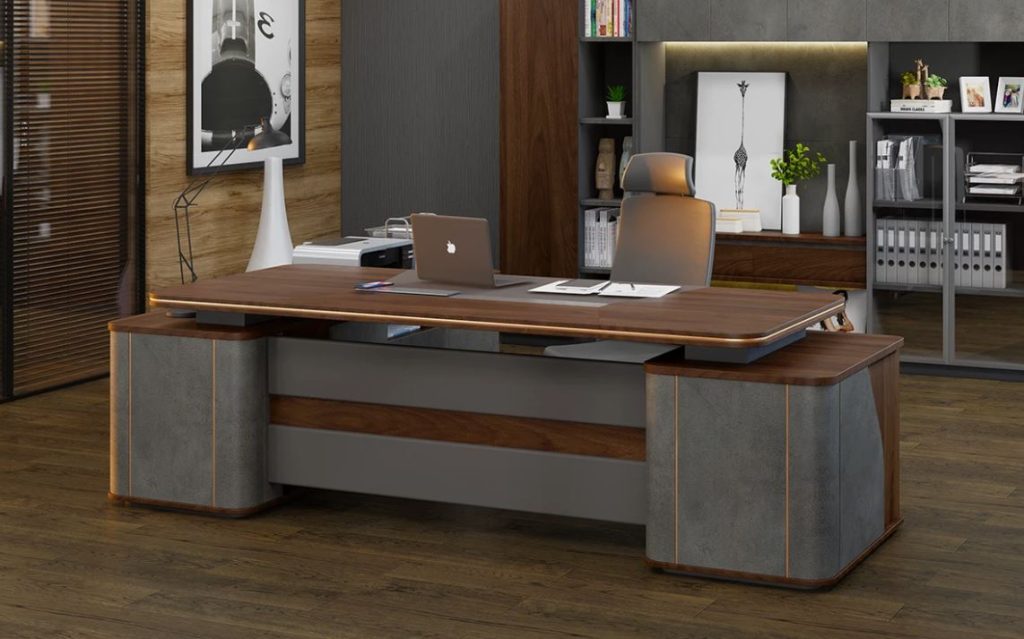
Office furniture is a major investment for businesses, so keeping desks, chairs, cabinets, workstations, and meeting tables in good condition is important for both appearance and long-term value. Proper Furniture Maintenance Philippines practices can help businesses reduce repair costs, extend furniture lifespan, and maintain a professional workplace. This is especially relevant for busy offices in Manila and Quezon City, where furniture may be exposed to daily heavy use, dust, humidity, spills, and frequent movement.
Furniture maintenance is not only about cleaning surfaces. It also involves checking hardware, protecting materials, addressing minor damage early, maintaining ergonomic components, and using furniture according to its intended purpose. With a practical maintenance routine, companies can keep their workspaces functional, safe, and presentable for years.
Why Furniture Maintenance Matters in Philippine Offices
Office furniture experiences constant use. Employees open drawers, move chairs, adjust desks, handle cabinet doors, and use conference tables every working day. Without regular care, small problems can quickly become expensive repairs.
A loose screw may eventually cause a workstation to become unstable. A damaged chair wheel can affect mobility and flooring. Moisture left on a wooden surface can cause staining or swelling. Dust accumulation can also make furniture look old and neglected.
Regular maintenance helps businesses identify these problems before they become major issues. It can also support a cleaner and more organized workplace, which is particularly important when clients, suppliers, applicants, or business partners visit the office.
For companies purchasing office furniture in Manila or Quezon City, maintenance should be considered from the beginning. Choosing durable materials and establishing a simple care routine can significantly improve the overall value of an office furniture investment.
Common Office Furniture Problems in the Philippines
Philippine offices can experience several furniture-related issues because of frequent usage and environmental conditions. Dust, humidity, air-conditioning, spills, and temperature changes can affect different furniture materials in different ways.
Wooden desks and tables may develop scratches, stains, or surface damage. Laminated furniture can experience chipped edges when it is moved improperly. Metal cabinets may develop rust or corrosion if moisture reaches exposed areas. Upholstered office chairs can collect dust, food particles, and stains over time.
Office chairs also require special attention because they contain multiple moving components. Casters, armrests, adjustment mechanisms, gas lifts, and reclining systems can gradually wear out. A chair that appears visually fine may still require maintenance if its adjustment mechanism is no longer working correctly.
Workstations and office cubicles have their own maintenance requirements. Panels should remain securely connected, while cable management systems should be checked regularly to prevent clutter and accidental damage.
How to Maintain Office Desks and Tables
Desks and office tables should be cleaned regularly using appropriate materials for their surface. A soft microfiber cloth is generally useful for removing dust without unnecessarily scratching the finish.
Liquid spills should be cleaned as soon as possible. Leaving moisture on a desk for extended periods may damage certain materials, particularly unfinished or poorly protected wood surfaces. Strong chemicals should also be avoided unless the furniture manufacturer specifically recommends them.
Heavy objects should not be placed on areas that are not designed to support them. Employees should also avoid sitting, standing, or leaning heavily on desks because these actions can put unnecessary pressure on joints and frames.
Hardware deserves attention as well. Screws, brackets, handles, and other fittings can loosen through normal use. During routine inspections, loose hardware should be tightened appropriately rather than ignored.
Caring for Office Chairs
Office chairs need consistent maintenance because employees may use them for several hours every day. Regularly removing dust and debris from the seat, backrest, armrests, and base can help maintain their appearance.
Wheels and casters should also be inspected. Hair, dust, paper, and other debris can become trapped around the wheels and make movement difficult. Cleaning the caster area can improve mobility and reduce unnecessary strain on the chair.
Adjustment mechanisms should be tested periodically. Seat height, backrest movement, tilt controls, and armrest adjustments should operate smoothly. If a component becomes loose or stops functioning correctly, it should be repaired or replaced rather than continuing to use a damaged chair.
Employees should also avoid using office chairs for purposes they were not designed for. Standing on a chair to reach shelves, for example, can create unnecessary safety risks and damage the chair.
Maintaining Office Cabinets and Storage Units
Cabinets are often overlooked during Furniture Maintenance Philippines, even though they receive frequent daily use. Doors, drawer runners, handles, locks, and hinges should be checked periodically.
Drawers should not be overloaded. Excessive weight can place stress on drawer slides and cabinet frames. If drawers become difficult to open or close, the issue should be investigated instead of forcing them.
Metal storage cabinets should be kept dry, particularly around joints, edges, and damaged areas where moisture could contribute to corrosion. Wooden and laminated cabinets should be cleaned with products suitable for their specific surface.
Proper organization can also reduce furniture wear. When employees know where documents and supplies belong, they are less likely to force overloaded drawers or repeatedly move heavy items.
Furniture Maintenance for Office Cubicles
Office cubicles and workstations are designed to support organized working environments, but they still require routine care. Panels should be checked for stability, while connectors and supporting components should remain secure.
Desk surfaces should be cleaned regularly, especially in shared workspaces. Cable management systems should also be inspected because tangled or poorly positioned cables can interfere with cleaning and everyday workstation use.
When cubicles need to be rearranged, businesses should avoid dragging heavy components across the floor. Improper movement can damage furniture connections, flooring, and workstation components.
For offices planning renovations or relocations in Manila or Quezon City, professional disassembly and reinstallation can be a better option than attempting to move complex workstation systems without proper knowledge.
How the Philippine Climate Can Affect Furniture
The local environment should be considered when developing a furniture maintenance routine. Humidity and moisture can affect certain furniture materials, particularly when ventilation is poor or furniture is positioned close to moisture sources.
Air-conditioned offices may have different conditions from naturally ventilated spaces. Businesses should therefore monitor their furniture rather than relying on a single maintenance routine for every environment.
Furniture should be kept away from unnecessary water exposure. Areas around windows, pantry spaces, bathrooms, and other moisture-prone locations deserve particular attention.
If furniture develops persistent signs of moisture damage, businesses should identify and address the source rather than simply cleaning the affected area.
How Often Should Office Furniture Be Maintained?
The ideal maintenance frequency depends on furniture type, usage, workplace conditions, and the number of employees using it.
Daily cleaning can focus on frequently touched and commonly used surfaces. Weekly checks can address dust accumulation, chair wheels, visible stains, and workstation organization. More detailed monthly inspections can include hardware, drawers, chair mechanisms, cabinet hinges, and workstation connections.
Businesses with high-traffic offices may need more frequent inspections. Shared workspaces, schools, hospitals, government offices, and large corporate facilities can experience significantly higher furniture usage than smaller private offices.
A simple maintenance schedule can make these tasks easier to manage. Assigning responsibility to a facilities or office administration team can also prevent maintenance from being forgotten.
Common Furniture Maintenance Mistakes to Avoid
One common mistake is waiting until furniture breaks before inspecting it. Preventive maintenance is generally more practical than responding to major damage after it occurs.
Another mistake is using unsuitable cleaning products. Harsh chemicals, excessive water, abrasive materials, and improper cleaning techniques can damage finishes and upholstery.
Businesses should also avoid moving heavy furniture without proper preparation. Dragging desks, cabinets, and workstations can damage both furniture and flooring.
Overloading storage furniture is another frequent problem. Cabinets and drawers have weight limitations, and ignoring them can shorten their useful life.
Finally, employees should not attempt complicated repairs without understanding the furniture’s construction. Professional assistance may be appropriate when structural components, electrical features, hydraulic mechanisms, or specialized workstation systems require attention.
When Should Office Furniture Be Repaired or Replaced?
Maintenance can extend furniture life, but not every item should be repaired indefinitely. Businesses should evaluate the condition, safety, functionality, appearance, and repair cost of each piece.
A chair with a replaceable caster may only require a small repair. A desk with a loose fitting may simply need hardware adjustment. However, furniture with significant structural damage may no longer be practical to repair.
Replacement can also make sense when furniture no longer supports the needs of employees. For example, outdated workstations may create inefficient layouts, while poorly designed chairs may not provide the adjustability employees require.
Before replacing an entire office, businesses can conduct a furniture assessment. This helps determine which items can be maintained, repaired, refurbished, relocated, or replaced.
Choosing Furniture That Is Easier to Maintain
Maintenance begins with furniture selection. Businesses should consider durability, material quality, construction, availability of replacement parts, cleaning requirements, and expected usage before purchasing.
For busy workplaces, surfaces that are easy to clean can make everyday maintenance simpler. Strong frames and quality hardware can also reduce the frequency of repairs.
Businesses should also consider whether replacement components are readily available. A chair or workstation may be a better long-term investment if commonly worn components can be replaced rather than requiring the entire unit to be discarded.
Modern Desks and Office Cubicles can be considered when businesses are planning office furniture requirements and want solutions suited to professional workplace environments. A practical furniture selection should balance appearance, functionality, durability, maintenance requirements, and budget.
Furniture Maintenance for Businesses in Manila and Quezon City
Businesses in Manila and Quezon City operate in a wide range of environments, from small offices and startups to large corporate facilities. Each workplace can have different furniture requirements depending on employee numbers, office layout, working hours, and daily usage.
A company moving into a new office should establish furniture maintenance procedures alongside its workplace setup. Existing businesses can also conduct periodic furniture audits to identify worn-out items and maintenance requirements.
For larger offices, creating an inventory of desks, chairs, cabinets, cubicles, and meeting furniture can make maintenance easier. The inventory can record the furniture type, location, condition, repair history, and replacement priority.
This approach helps procurement and facilities teams make better decisions instead of replacing furniture based only on appearance.
A Practical Office Furniture Maintenance Routine
A successful maintenance routine does not need to be complicated. Employees can keep work surfaces clean and report visible damage promptly. Facilities teams can perform regular inspections of furniture hardware, chairs, cabinets, and workstations.
Managers can review recurring furniture problems and determine whether they are caused by poor maintenance, excessive use, unsuitable furniture, or incorrect handling.
Businesses can also maintain records of repairs and replacements. Over time, these records can reveal which furniture types require frequent attention and which products provide better long-term value.
This information can be useful when planning future office furniture purchases.
Frequently Asked Questions
How often should office furniture be cleaned?
Frequently used surfaces should be cleaned regularly, while deeper furniture inspections can be scheduled weekly or monthly depending on office usage.
What is the best way to maintain office chairs?
Keep chairs clean, inspect casters and adjustment mechanisms, tighten loose components, and address damaged parts before they affect safe and comfortable use.
Does humidity affect office furniture in the Philippines?
Yes. Moisture and humidity can affect certain wood, laminate, metal, and upholstered furniture. Proper ventilation and prompt cleaning of spills can help reduce potential problems.
How can businesses extend the life of office furniture?
Regular cleaning, preventive inspections, proper handling, avoiding overloading, and timely repairs can help extend furniture service life.
Should damaged office furniture always be replaced?
No. Minor issues such as loose hardware, worn casters, or damaged handles may be repairable. Replacement is more appropriate when furniture has serious structural damage or no longer meets workplace requirements.
Is furniture maintenance important for office renovations?
Yes. Maintaining existing furniture can help businesses determine what can be reused, repaired, relocated, or replaced during an office renovation.
Final Thoughts on Furniture Maintenance in the Philippines
A consistent maintenance strategy can protect an office furniture investment while helping businesses maintain a professional and functional workplace. From desks and chairs to storage cabinets and office cubicles, every furniture category benefits from regular cleaning, inspection, correct usage, and timely repairs.
For companies in Manila, Quezon City, and other parts of the Philippines, the best approach is to combine quality furniture selection with preventive maintenance. Instead of waiting for furniture to fail, businesses can monitor its condition and address small issues early.
If you are planning a new office, upgrading an existing workspace, or assessing furniture requirements, Modern Desks and Office Cubicles can be part of your research when comparing office furniture solutions. A well-maintained workspace not only protects your investment but also supports a cleaner, more organized, and more productive working environment.
