 Skip to content

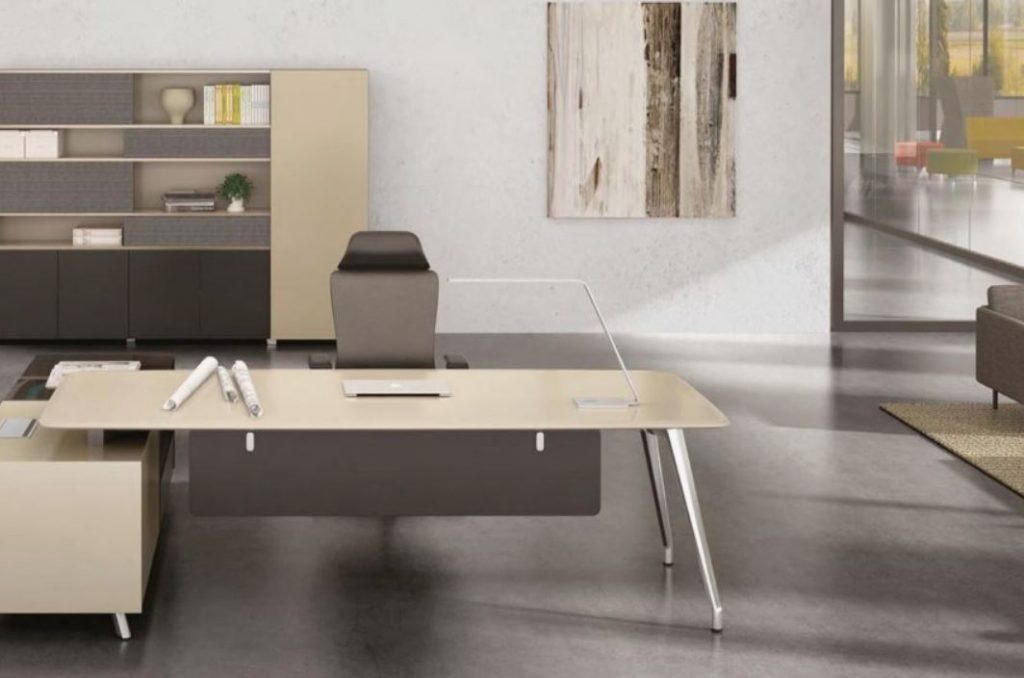
Creating a responsible workplace involves more than reducing paper use or switching to energy-efficient lighting. The furniture inside an office also affects resource consumption, waste, durability, employee comfort, and the long-term cost of maintaining the workspace. Sustainable Office Furniture gives businesses in Manila and Quezon City an opportunity to create functional, attractive, and environmentally conscious offices without sacrificing practicality.
For companies planning a new office, renovation, relocation, or expansion, sustainable furniture can include responsibly sourced materials, recycled components, durable construction, modular designs, repairable parts, low-emission finishes, and furniture that can be reused or recycled at the end of its useful life. The important point is to evaluate the entire lifecycle of a product rather than choosing an item simply because it is marketed as “green.” Industry guidance similarly emphasizes durability, responsible materials, resource-efficient production, and end-of-life considerations when evaluating sustainable office furniture.
What Is Sustainable Office Furniture?
Sustainable office furniture is furniture designed, manufactured, used, maintained, and eventually disposed of with environmental and practical considerations in mind. Instead of focusing only on the appearance or initial price of a desk, chair, workstation, or cabinet, businesses consider how long the product will last, what materials were used, whether components can be repaired or replaced, and what happens when the furniture is no longer needed.
A sustainable office does not necessarily require every piece of furniture to be made from a single “eco-friendly” material. A durable desk that remains useful for many years may be a better long-term choice than an inexpensive product that needs frequent replacement. Similarly, modular office furniture can be valuable because individual components may be changed without replacing an entire workstation.
For businesses in Metro Manila, this approach can be particularly useful when office layouts change because of expansion, hybrid work, departmental restructuring, or relocation.
Why Sustainable Furniture Matters for Philippine Businesses
Office furniture represents a long-term business investment. Desks, workstations, conference tables, storage units, reception counters, and office chairs are used every working day, so their durability and adaptability matter.
Choosing sustainable furniture can help organizations reduce unnecessary replacement, manage resources more carefully, and create a workplace that reflects their environmental values. Philippine businesses are also increasingly exposed to sustainability discussions involving responsible sourcing, waste reduction, energy efficiency, and corporate environmental practices.
Local providers are already highlighting ecological sustainability, durable workplace solutions, and environmentally responsible furniture as part of their offerings.
There is also an important financial consideration. A product with a higher initial price may provide better value if it lasts longer, requires fewer replacements, and can be adapted when the office changes. Therefore, businesses should compare total cost of ownership rather than focusing only on the purchase price.
Materials to Look for in Sustainable Office Furniture
Material selection is one of the first things businesses should investigate when purchasing environmentally responsible furniture.
Responsibly sourced wood can be a strong option when supported by credible sourcing information. Certifications such as FSC can help buyers identify products associated with responsible forestry practices, although certification should be evaluated alongside the manufacturer’s broader sustainability information.
Recycled materials are another important category. Recycled plastic, metal, reclaimed wood, and recycled-content panels can help reduce reliance on newly extracted resources. In the Philippines, The Plastic Flamingo has demonstrated how difficult-to-recycle plastic sachet waste can be converted into recycled boards used for furniture and other applications.
Bamboo is also frequently considered for environmentally conscious furniture because of its rapid growth and versatility. However, buyers should still examine the complete product, including adhesives, coatings, transportation, construction quality, and expected lifespan.
Low-emission materials and finishes can also be relevant when businesses are concerned about indoor environmental quality. Rather than relying on vague terms such as “non-toxic” or “eco-friendly,” ask suppliers for specific product information and supporting documentation.
Durable Furniture Is Often a More Sustainable Choice
Sustainability is closely connected with longevity.
Imagine an office that purchases inexpensive desks every few years because surfaces deteriorate, hardware fails, or the furniture cannot accommodate changing requirements. Even if each purchase appears affordable, repeated replacement creates additional material use, transportation, packaging, and disposal.
A well-built workstation that remains functional for many years can reduce the need for frequent replacement.
This is why businesses should examine construction quality, hardware, surface durability, weight capacity, maintenance requirements, warranty terms, and availability of replacement components before purchasing office furniture.
For corporate offices and growing startups in Manila and Quezon City, durability becomes even more important because furniture needs to withstand daily use while supporting changing workforce requirements.
Modular Office Furniture Supports Long-Term Flexibility
Modular furniture can support sustainability because it allows organizations to adjust their workspace without completely replacing their furniture system.
A modular workstation can potentially be reconfigured when a team grows. Partitions can be changed when privacy requirements shift. Storage units can be moved to different areas. Desk configurations can be adjusted according to available floor space.
This flexibility is useful for startups, coworking spaces, corporate offices, schools, and organizations that frequently change their layouts.
Instead of purchasing furniture for only today’s requirements, businesses can consider how the furniture might work two, five, or even ten years from now.
Sustainable Office Furniture and Employee Comfort
Environmental responsibility should not come at the expense of employee comfort.
A sustainable workspace should also support good working conditions through ergonomic desks, suitable office chairs, appropriate workstation dimensions, effective storage, and practical layouts.
Height-adjustable desks, ergonomic seating, flexible workstations, and properly planned collaborative areas can help create a more adaptable office. Sustainable furniture therefore works best when environmental considerations are combined with functionality and user needs.
The goal is not simply to make an office look green. The goal is to create a workplace that performs well while using resources responsibly.
How to Choose Sustainable Office Furniture in Manila
Businesses searching for sustainable furniture in Manila should start by defining their actual workplace requirements.
Consider the number of employees, available floor area, workstation arrangement, storage requirements, meeting spaces, employee roles, expected business growth, and future layout changes. Once these requirements are clear, compare furniture based on durability, material composition, repairability, adaptability, and supplier transparency.
Ask suppliers questions about where materials come from, whether products contain recycled content, what certifications are available, how furniture is packaged, whether replacement components can be purchased, and what happens to furniture at the end of its useful life.
Businesses should also request product specifications rather than relying solely on marketing claims.
For large office projects, procurement teams can create sustainability criteria before requesting quotations. This makes it easier to compare suppliers consistently and prevents sustainability from becoming an afterthought.
Sustainable Office Furniture for Quezon City Offices
Quezon City businesses have diverse workplace requirements, ranging from compact startup offices to large corporate facilities, educational institutions, medical offices, and professional workplaces.
For smaller offices, space-efficient desks, modular workstations, mobile storage, and multifunctional furniture can help maximize available floor area.
For larger organizations, modular workstation systems can make future expansion easier. A carefully planned system can support different departments while maintaining consistency across the office.
A supplier such as Modern Desks and Office Cubicles can be considered when businesses want to explore office furniture configurations that combine workplace functionality, durability, and contemporary design requirements.
How to Compare Sustainable Furniture Suppliers
Not every product described as sustainable has the same environmental value. Businesses should look beyond labels and evaluate the evidence behind sustainability claims.
A reliable supplier should be able to explain product materials, construction, warranty coverage, maintenance requirements, available configurations, and relevant certifications where applicable.
It is also useful to examine whether the supplier provides installation and project support. Poor installation can reduce furniture lifespan, while professional planning can help ensure that the furniture fits the office correctly.
For large Manila or Quezon City projects, businesses should also consider delivery logistics, installation timelines, after-sales support, replacement parts, and the supplier’s ability to handle the complete project.
Common Mistakes When Buying Eco-Friendly Office Furniture
One common mistake is assuming that a product is sustainable simply because it uses wood, bamboo, recycled materials, or green-colored branding.
Another mistake is ignoring durability. Materials alone do not determine sustainability.
Businesses can also overlook transportation, packaging, maintenance, replacement parts, and end-of-life disposal. A more complete assessment considers the furniture’s entire lifecycle.
Finally, organizations sometimes prioritize appearance over usability. Sustainable furniture still needs to support employees, technology, storage, collaboration, and daily workflows.
Questions to Ask Before Buying Sustainable Office Furniture
Before requesting a quotation, procurement teams can ask suppliers about material sourcing, recycled content, certifications, durability, warranty coverage, maintenance, replacement parts, modularity, delivery, installation, and end-of-life options.
It is also worth asking whether furniture can be reconfigured if the company expands or changes its office layout.
These questions help businesses make informed purchasing decisions instead of relying on sustainability claims alone.
Frequently Asked Questions
What makes office furniture sustainable?
Sustainable office furniture generally considers responsible materials, durability, efficient production, repairability, adaptability, reduced waste, and end-of-life management.
Is sustainable office furniture more expensive?
Some sustainable products can have a higher initial price, but durability and longer service life can make them more economical over time.
What materials are commonly used in sustainable office furniture?
Common options include responsibly sourced wood, recycled plastic, recycled metal, reclaimed materials, bamboo, and recycled-content panels, depending on the product.
Is modular office furniture sustainable?
It can be. Modular furniture can be reconfigured, repaired, expanded, or partially replaced, potentially reducing the need to discard an entire furniture system.
Can sustainable furniture work for small Manila offices?
Yes. Compact desks, modular workstations, multifunctional storage, and flexible furniture can help small offices use space efficiently while supporting sustainability goals.
How can businesses verify sustainability claims?
Ask suppliers for specific material information, certifications, product documentation, warranty details, and evidence supporting environmental claims rather than relying only on general marketing language.
Make Your Manila Office More Sustainable
Choosing sustainable office furniture is ultimately about making better long-term decisions. Businesses do not need to replace everything at once. A practical approach can begin with durable desks, modular workstations, ergonomic seating, responsible materials, repairable components, and better end-of-life planning.
For companies in Manila and Quezon City, the best solution should balance sustainability with budget, employee comfort, available space, design requirements, and future growth. The right furniture can support an office that is functional today while remaining adaptable for tomorrow.
Modern Desks and Office Cubicles can be part of that planning process by helping businesses explore office furniture solutions suited to their workplace requirements. Before purchasing, request detailed specifications, compare options, and choose furniture based on lifecycle value rather than appearance or initial price alone.
