 Skip to content

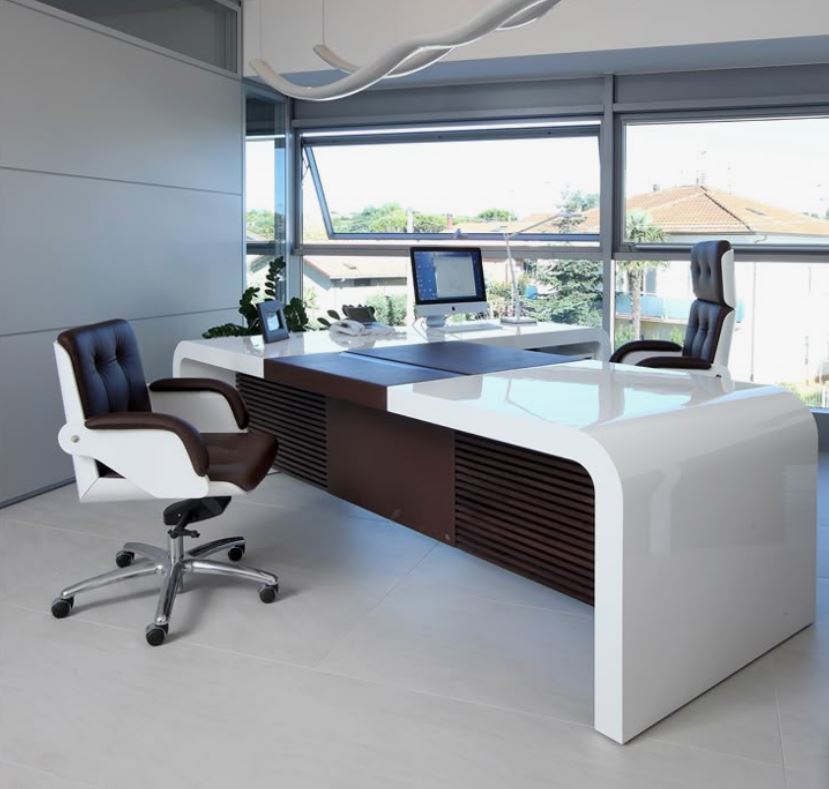
Choosing the right workspace furniture can have a direct impact on comfort, productivity, organization, and the overall appearance of a workplace. An Office Desk is more than a surface for a computer and documents; it is a central part of how employees perform their daily tasks. Businesses in Manila and Quezon City need desks that suit their available space, work requirements, team structure, and budget while also supporting a professional office environment.
For businesses planning a new workspace, renovating an existing office, or furnishing a growing team, Modern Desks and Office Cubicles can help create a practical setup that balances functionality and workplace aesthetics.
What Is an Office Desk?
An office desk is a workstation designed for professional activities such as computer work, writing, meetings, documentation, and administrative tasks. Depending on the workplace, desks can come in different sizes, shapes, materials, and configurations.
A suitable desk should provide enough working space without making the office feel crowded. It should also accommodate essential equipment such as computers, monitors, keyboards, documents, storage accessories, and other work tools.
The best choice depends on how the desk will be used. A manager may need a larger executive desk, while an employee working primarily on a computer may benefit from a compact workstation. Collaborative teams may require shared desk arrangements or modular workstations.
Why Does the Right Office Desk Matter?
A well-selected desk can contribute to a more organized and comfortable workplace. Employees spend significant portions of their working day at their desks, so workspace design should support the tasks they perform regularly.
Desk size, height, layout, storage, cable management, and positioning can all influence how efficiently people use their workspace. A poorly planned desk arrangement may create clutter and reduce usable floor space.
For businesses, the goal should be to choose office furniture that combines practical functionality with long-term value. This is particularly important when furnishing multiple workstations because even small differences in design and layout can affect the overall office environment.
How to Choose an Office Desk for Your Business
Start by identifying the primary purpose of the desk. Consider whether it will be used for individual computer work, management duties, meetings, reception tasks, customer service, or collaborative activities.
Next, measure the available area. Do not choose a desk based only on its appearance. The workstation should leave enough room for employees to move comfortably around it and allow doors, cabinets, and walkways to function properly.
The equipment used at the workstation is another important consideration. Employees working with multiple monitors may require wider surfaces, while those using laptops may need less desk depth.
Storage should also be considered. Some workplaces need drawers and pedestals for documents and supplies, while others can use separate storage cabinets to keep the desk surface clear.
Finally, consider the overall office layout. Individual desks, benching systems, cubicles, and private workstations can each support different workplace requirements.
Popular Office Desk Types
Different businesses have different workspace requirements, which is why office desk are available in various configurations.
Executive desks are generally larger and are designed for managers, directors, and senior professionals who require additional workspace. They can create a formal appearance while providing room for documents, computers, and office accessories.
Computer desks are designed around technology-based work. Their dimensions and features can make it easier to accommodate monitors, keyboards, cables, and other equipment.
L-shaped desks are useful when employees need separate areas for computer work, paperwork, meetings, or organization. Their configuration can also make effective use of office corners.
Reception desks are designed for front-office environments where employees regularly interact with visitors and customers. Their design can combine a professional appearance with functional workspace and storage.
Modular desks can be particularly useful for businesses that expect their teams or layouts to change over time. They can support flexible office configurations without requiring an entirely new furniture system.
Office Desk Size and Space Planning
Desk dimensions should always be considered alongside the size and purpose of the room. A large desk in a small office can restrict movement, while a desk that is too small may create clutter.
Before purchasing furniture, businesses should create a basic floor plan. Identify workstations, walkways, doors, windows, storage units, meeting areas, and shared facilities.
For offices in Manila and Quezon City, where available commercial space can vary significantly between locations, efficient space planning is especially important. A professional furniture supplier can help businesses determine which desk configuration makes the best use of the available floor area.
Office Desk Materials and Durability
Material selection can influence appearance, maintenance requirements, durability, and overall value.
Engineered wood and laminate surfaces are common choices because they can provide a professional appearance while being practical for everyday office use. Metal components may be used for frames and support structures, helping provide stability.
When evaluating materials, businesses should look beyond appearance. Consider surface durability, edge finishing, frame construction, ease of cleaning, and the type of workload the furniture will experience.
A desk used continuously by employees every working day should be selected with long-term use in mind rather than based solely on its initial price.
Office Desk and Ergonomic Considerations
Ergonomics should be part of workspace planning. A desk should work together with the employee’s chair, monitor, keyboard, and other equipment.
The height and depth of the desk should allow employees to maintain a comfortable working position. Monitors should be positioned appropriately, while frequently used items should remain within a practical reach.
An ergonomic workstation is not created by the desk alone. The complete setup should include an appropriate office chair, monitor positioning, keyboard and mouse placement, lighting, and sufficient space for movement.
Office Desk vs. Office Cubicles
Businesses sometimes need to decide between individual desks and cubicle-based workstations. Neither option is universally better; the right choice depends on privacy requirements, available space, collaboration needs, and workplace culture.
Individual desks can offer flexibility and a more open appearance. Office cubicles can provide defined work areas and may help organize larger teams within a structured layout.
For organizations furnishing multiple departments, combining different workstation styles can sometimes provide a better solution. Managers may use individual or executive desks, while larger teams may benefit from modular workstations or cubicles.
How to Create an Efficient Office Layout
An efficient office layout begins with understanding how employees actually use the workplace. Departments that communicate frequently may benefit from being positioned closer together, while roles requiring concentration may need quieter areas.
Workstations should be arranged to maintain practical walkways and avoid unnecessary congestion. Shared printers, storage, meeting rooms, and other facilities should also be positioned where employees can access them conveniently.
Lighting and natural light should be considered when positioning desks. Cable management is another important detail because loose cables can create visual clutter and potential safety concerns.
A well-planned layout makes the office easier to navigate while creating a more organized professional environment.
Office Desk Buying Guide for Businesses in Manila and Quezon City
Businesses should compare more than prices when purchasing office furniture. Ask about available dimensions, materials, customization options, delivery, installation, warranty coverage, and after-sales support.
It is also useful to consider whether the supplier can provide furniture for the complete project. Purchasing desks, chairs, storage, and cubicles from coordinated collections can help create a consistent office appearance.
For larger projects, request a layout recommendation or quotation based on the actual office dimensions. This can help avoid buying furniture that does not fit the intended space.
Businesses should also consider future growth. If a company expects to add employees, modular or compatible furniture systems may make future expansion easier.
Common Office Desk Buying Mistakes
One common mistake is choosing furniture based entirely on appearance. A stylish desk may not provide the required workspace or storage.
Another mistake is ignoring measurements. Always measure the room, doorways, elevators, corridors, and intended workstation area before finalizing an order.
Businesses should also avoid focusing only on the lowest price. Very inexpensive furniture may not provide the durability or functionality required for intensive daily use.
Ignoring employee needs can create another problem. Different roles may require different desk configurations, so a single design may not be appropriate for every department.
Finally, businesses sometimes overlook installation and after-sales requirements. For large office projects, professional delivery and installation can make the furniture setup considerably easier.
How Can Office Furniture Improve Workplace Organization?
The right furniture can create dedicated areas for work, storage, meetings, and collaboration. A desk with appropriate storage can help keep frequently used materials organized, while coordinated workstations can make a larger office easier to manage.
Organization also depends on how employees use the furniture. Cable management, document storage, desk accessories, and clear workstation policies can help maintain a professional environment.
Furniture should therefore be considered part of the overall workplace system rather than an isolated purchase.
Why Work With Modern Desks and Office Cubicles?
Choosing an office furniture supplier is an important part of a workspace project. Businesses need a supplier that understands practical office requirements and can help match furniture with the available space and intended use.
Modern Desks and Office Cubicles can be considered when businesses in Manila and Quezon City are planning office workstations, desks, cubicles, and related furniture. A professional consultation can help organizations compare configurations and identify options that fit their workplace requirements.
Before requesting a quotation, prepare the approximate office dimensions, number of employees, preferred workstation arrangement, required furniture types, and target budget. Providing these details can make the consultation more useful and help create a more accurate furniture plan.
