 Skip to content

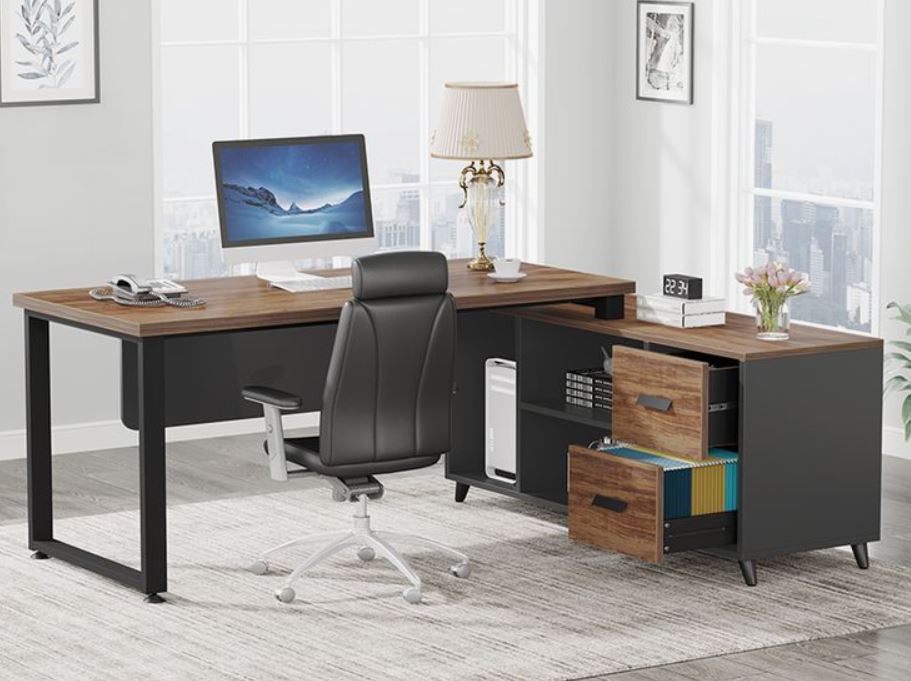
Businesses in the Philippines are increasingly looking for flexible, professional, and practical work environments that support productivity without creating unnecessary overhead. Business Centers Philippines have become an important option for companies that need a professional address, meeting facilities, workstations, reception areas, and other workplace services without setting up a traditional office from scratch. For businesses operating in Manila and Quezon City, choosing the right business center also means considering accessibility, workspace design, furniture quality, technology, privacy, and the ability to scale as the company grows.
A well-planned business center should do more than provide desks and chairs. It should create an environment where employees can work comfortably, clients can be welcomed professionally, and teams can collaborate efficiently. Office furniture plays an important role in achieving this balance. From executive desks and ergonomic office chairs to workstations, conference tables, reception counters, and storage solutions, every element contributes to how a workplace functions and how it is perceived by visitors.
What Are Business Centers in the Philippines?
A business center is a professionally equipped workspace designed to support companies, entrepreneurs, professionals, and organizations. Depending on the facility, services may include private offices, shared workspaces, meeting rooms, conference facilities, reception services, internet connectivity, administrative support, and business addresses.
Business centers can be particularly useful for startups and growing companies that do not want to commit immediately to a large conventional office. They can also provide an alternative for established businesses that need temporary offices, satellite locations, meeting facilities, or additional workspace.
The physical design of these environments matters because different businesses have different operational requirements. A technology company may need collaborative workstations, while a law firm may prioritize private offices and client meeting rooms. A consulting company may require executive offices and conference areas, while a growing startup may benefit from flexible workstation layouts.
Why Business Centers Are Growing in Popularity
One of the biggest advantages of a business center is flexibility. Traditional office setups can require significant investment in furniture, interior construction, equipment, utilities, and other infrastructure before employees even begin working.
A business center can simplify this process by providing an already established professional environment. Companies can focus more of their resources on operations rather than managing every aspect of office setup.
Location is another important consideration. Businesses based in Metro Manila often want convenient access to transportation, commercial districts, suppliers, clients, and employees. Manila and Quezon City offer numerous commercial areas where companies can establish a professional presence.
The right workspace can also support employee experience. Comfortable chairs, properly sized desks, adequate storage, appropriate lighting, and organized workstations can help create a more functional environment. Office furniture should therefore be considered part of workplace planning rather than simply an aesthetic purchase.
Choosing a Business Center in Manila
Manila remains an important commercial destination for companies serving customers across Metro Manila and other parts of the Philippines. When evaluating a business center in Manila, businesses should look beyond the appearance of the reception area.
Accessibility is one of the first factors to evaluate. Consider how easily employees, clients, suppliers, and business partners can reach the location. Parking availability, nearby transportation options, surrounding commercial establishments, and the overall convenience of the area can affect daily operations.
The available workspace should also match the company’s requirements. A small private office may work well for a compact team, while larger organizations may need dedicated workstations, conference rooms, executive offices, and additional storage.
Furniture quality is equally important. A business center with well-designed workstations and ergonomic seating can provide a better experience than a space filled with generic furniture that does not support long working hours.
Choosing a Business Center in Quezon City
Quezon City is another major business destination with a diverse mix of corporate offices, educational institutions, government organizations, healthcare facilities, technology companies, and growing businesses.
Companies searching for business centers in Quezon City should assess both the location and the functionality of the workspace. A convenient address can improve accessibility, but the interior environment must also support everyday operations.
For companies with several employees, workstation planning becomes particularly important. Efficient layouts can help make better use of available floor space while maintaining comfortable movement and appropriate separation between employees.
Private offices can provide confidentiality for managers and professionals, while conference tables and meeting rooms can support client presentations and team discussions. Reception desks and waiting areas can also influence the first impression visitors receive when entering the office.
What Should You Look for in a Business Center?
The best business center depends on the organization’s size, budget, industry, and working style. However, several characteristics deserve careful consideration.
A professional business center should provide a workspace that is clean, functional, accessible, and appropriately furnished. Companies should evaluate whether the workspace offers sufficient desks, comfortable seating, meeting facilities, storage, internet connectivity, and areas for collaboration.
Privacy is another important factor. Businesses handling confidential information may require enclosed offices or workstation partitions. Open layouts can encourage communication, but they may not be suitable for every role.
Flexibility is also valuable. As a company expands, its workspace requirements may change. A business center that can accommodate additional employees or different workspace configurations can make future growth easier.
The Role of Office Furniture in Business Centers
Office furniture is one of the most important physical components of a business center. Furniture affects employee comfort, workflow, organization, space utilization, and the overall appearance of the workplace.
Workstations can provide dedicated areas for employees while helping businesses organize limited floor space. Modular workstation systems can be particularly useful when teams change frequently because layouts can sometimes be adjusted to suit different requirements.
Executive desks are suitable for management offices where a larger work surface and a more formal appearance are required. Conference tables are important for meetings, presentations, interviews, and discussions with clients.
Reception counters are another important feature. The reception area is often the first physical point of contact between a business and its visitors, making professional design and organization especially valuable.
Storage furniture should not be overlooked either. Filing cabinets, pedestals, shelves, and storage units can help keep documents and workplace supplies organized while reducing unnecessary clutter.
Ergonomics Should Be a Priority
Employees can spend many hours at their desks, making ergonomic planning an important part of business center design. Furniture should allow employees to work comfortably while maintaining a suitable posture.
An ergonomic office chair should provide appropriate support and allow adjustments that suit the individual user. Desk height, monitor placement, keyboard position, and available legroom should also be considered when designing a workstation.
Ergonomics is not simply about buying expensive chairs. It involves creating a complete workstation arrangement in which furniture and equipment work together.
For business centers serving multiple companies or teams, adjustable furniture can provide greater flexibility because different users may have different requirements.
Business Center Layouts That Support Productivity
A successful business center should balance individual concentration with collaboration. One layout may not work equally well for every organization.
Open workstation areas can support communication and efficient space utilization. Private offices can provide quieter environments for management, confidential discussions, and focused work.
Meeting rooms should be positioned where employees and visitors can access them without unnecessarily disrupting work areas. Reception and waiting spaces should be clearly defined so visitors immediately understand where to go.
Break areas can also contribute to the overall workplace experience. A thoughtfully planned business center should provide enough circulation space so employees can move between workstations, meeting areas, storage, and shared facilities comfortably.
How to Choose Office Furniture for a Business Center
Furniture selection should begin with the purpose of each area. Instead of choosing products individually, businesses should first determine how the entire workspace needs to function.
Measure the available floor area and identify fixed elements such as doors, windows, columns, electrical points, and walkways. Then determine how many employees the workspace needs to accommodate.
The next step is selecting suitable workstation types, desks, chairs, storage solutions, and meeting furniture. Durability should be considered because business center furniture may experience frequent use by different employees.
Appearance also matters, but it should support functionality rather than replace it. A modern office can look professional while still providing comfortable and practical furniture.
For organizations planning a new workspace or upgrading an existing one, Modern Desks and Office Cubicles can be considered when evaluating office furniture solutions for business environments.
Business Centers for Startups and Small Businesses
Startups often need to control expenses while maintaining a professional image. A business center can provide access to an established workspace without requiring the company to manage every element of a conventional office setup.
As startups grow, workspace requirements can change quickly. A small team may initially need only a few workstations, but additional employees may require more desks, meeting space, storage, and private offices.
Flexible furniture can help accommodate these changes. Modular workstations, movable storage, and adaptable meeting areas can make it easier to modify the workplace as the company develops.
Business Centers for Corporate Companies
Large companies can also benefit from business centers when they require temporary offices, project spaces, satellite locations, or additional meeting facilities.
Corporate users often have more specific requirements related to branding, privacy, security, meeting capacity, and employee comfort. Furniture should reflect these needs while maintaining consistency across different departments or locations.
A corporate business center may include executive offices, employee workstations, conference rooms, reception areas, training rooms, and collaborative spaces. Each area should have furniture selected according to its specific function.
Business Centers for Professional Services
Law firms, accounting firms, consultants, recruitment companies, architects, and other professional service providers often need a workplace that combines privacy with a strong professional appearance.
Private offices can provide suitable environments for confidential conversations, while meeting rooms can give professionals a dedicated space for client consultations.
Reception areas also have an important role because clients may form their first impression of a company before meeting any employee. A well-organized reception desk, comfortable seating, and professional office furniture can contribute to a more welcoming environment.
Common Mistakes When Setting Up a Business Center
One common mistake is focusing too heavily on appearance while ignoring functionality. Attractive furniture is useful, but it must also support employees and fit the available space.
Another mistake is overcrowding the office. Adding too many desks may increase seating capacity temporarily, but it can create poor circulation and an uncomfortable working environment.
Ignoring storage is another frequent problem. Without adequate storage, documents, equipment, and supplies can quickly create clutter.
Businesses may also overlook future growth. A layout designed only for today’s workforce may become inefficient when additional employees join the company.
Finally, selecting furniture solely on initial price can create long-term problems. Durability, maintenance requirements, ergonomics, warranty coverage, and expected usage should all be considered.
Business Center Furniture and Space Planning
Space planning should connect furniture selection with business operations. The goal is not simply to fit as many desks as possible into a room. Instead, the layout should allow employees to work efficiently while providing appropriate areas for meetings, collaboration, storage, and movement.
A good plan starts by understanding how employees use the space. Teams that frequently collaborate may require shared work areas and meeting spaces. Employees who handle confidential tasks may require more privacy.
Businesses should also consider technology requirements. Power outlets, network connections, monitors, printers, and other equipment can influence workstation placement.
This approach makes the office more practical and can help businesses use their available floor area efficiently.
How Business Centers Can Support a Professional Brand
A workplace communicates information about a company. Clients may notice the reception area, furniture quality, cleanliness, organization, and overall layout before a meeting begins.
A professional workspace can reinforce a company’s identity without becoming overly decorative. Consistent furniture styles, organized workstations, suitable colors, and clear signage can create a cohesive environment.
For businesses in Manila and Quezon City, this can be particularly useful when meeting local clients, suppliers, investors, or business partners.
Questions to Ask Before Choosing a Business Center
Before committing to a business center, companies should understand exactly what is included in the workspace arrangement. Ask about office size, furniture, meeting room availability, internet connectivity, security, parking, access hours, maintenance, and additional charges.
It is also useful to understand how the provider handles changes in workspace requirements. Can additional employees be accommodated? Are private offices available? Can furniture layouts be modified?
Businesses should consider their expected requirements for the next 12 to 24 months rather than choosing a workspace based only on current needs.
Why Local Office Furniture Expertise Matters
Office furniture requirements can vary considerably between businesses. A school may need durable student and administrative furniture, while a hospital may require specialized office areas for administrative teams. Corporate offices may prioritize executive workspaces, conference rooms, and employee workstations.
Working with an office furniture provider familiar with Philippine businesses can make the planning process more practical. Local knowledge can also help businesses consider available space, workplace requirements, delivery considerations, and the needs of employees in Manila and Quezon City.
A well-planned furniture solution should combine functionality, durability, comfort, and professional appearance.
Final Thoughts on Business Centers Philippines
Choosing among Business Centers Philippines requires more than comparing locations and rental prices. Businesses should evaluate accessibility, workspace functionality, privacy, furniture quality, ergonomics, technology requirements, meeting facilities, storage, and future expansion.
For companies in Manila and Quezon City, the right business center can provide a professional environment that supports employees while creating a positive experience for clients and visitors. Office furniture is a major part of that experience, so desks, workstations, chairs, conference tables, reception furniture, and storage should be selected according to how the business actually operates.
Whether you are establishing a new office, expanding an existing team, or preparing a professional workspace for clients, thoughtful planning can help create a business center that is comfortable, efficient, and ready for growth. Modern Desks and Office Cubicles can be part of the furniture evaluation process when businesses are looking for practical office solutions suited to modern workplaces in the Philippines.
Frequently Asked Questions
What is a business center in the Philippines?
A business center is a professionally equipped workspace that may provide private offices, workstations, meeting rooms, business support, and other facilities for companies and professionals.
Are business centers suitable for startups?
Yes. Business centers can be useful for startups because they can provide professional workspace without requiring the company to establish every office facility independently.
What should businesses consider when choosing a business center?
Businesses should evaluate location, accessibility, workspace size, privacy, meeting facilities, internet connectivity, furniture, security, pricing, and future expansion options.
Why is office furniture important in a business center?
Office furniture affects comfort, productivity, organization, space utilization, and the professional appearance of the workplace.
Is Quezon City suitable for business centers?
Quezon City has a diverse commercial environment and can be suitable for businesses seeking access to employees, clients, institutions, and other organizations within Metro Manila.
What furniture is commonly needed in a business center?
Common requirements include workstations, office desks, ergonomic chairs, executive desks, conference tables, reception counters, storage cabinets, pedestals, and meeting room furniture.
How can businesses make a business center more productive?
Businesses can improve productivity through appropriate space planning, ergonomic furniture, organized storage, suitable lighting, dedicated meeting areas, comfortable workstations, and layouts that balance collaboration with focused work.
