 Skip to content

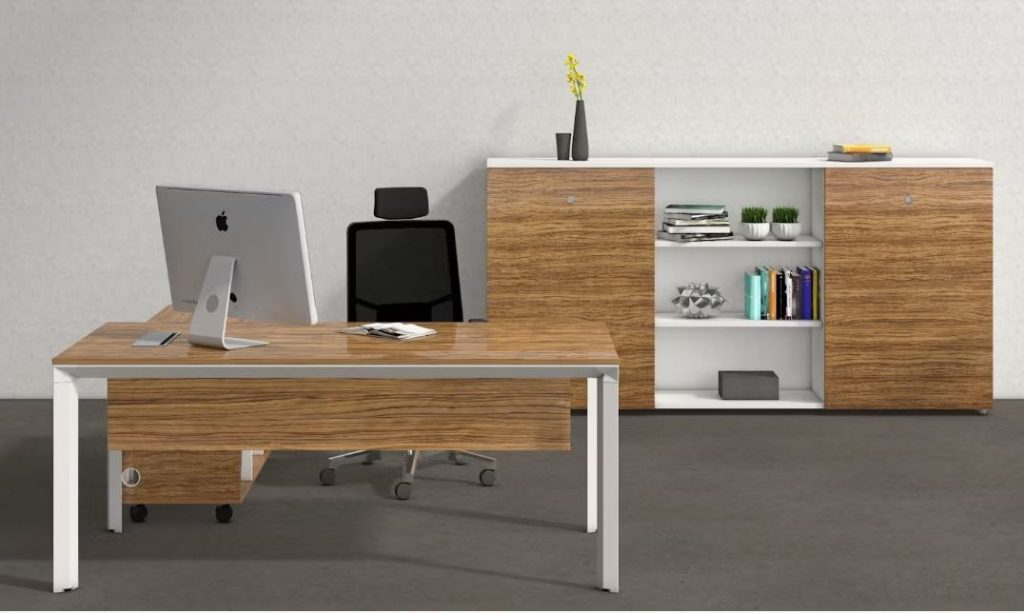
The global shift in workplace design has significantly influenced trends for office furniture, as companies now focus more on flexibility, comfort, and productivity rather than just filling office space with traditional setups. Modern offices are no longer static environments; instead, they are dynamic ecosystems designed to support hybrid work models, collaboration, and employee well-being. This transformation has led businesses to rethink how desks, chairs, storage systems, and collaborative spaces are designed and used. Today’s office environments prioritize human-centric design, ensuring that furniture supports posture, reduces fatigue, and enhances workflow efficiency. As organizations continue to evolve, the demand for innovative office furniture solutions is increasing rapidly, making this one of the most important areas in workplace planning.
Ergonomic Designs And Employee Comfort Priorities
One of the strongest trends for office furniture is the growing emphasis on ergonomic design. Companies are investing heavily in furniture that supports physical health, particularly for employees who spend long hours at desks. Adjustable chairs, sit-stand desks, and lumbar-support seating are becoming standard rather than optional upgrades. The goal is to reduce workplace injuries, improve posture, and increase overall productivity. Ergonomics also extends beyond chairs and desks to monitor arms, keyboard placement, and even lighting integration. Businesses now understand that employee comfort directly affects performance, making ergonomics a central pillar in office design strategies. This shift has also influenced how office layouts are planned, with more space allocated to movement and flexibility rather than fixed, rigid seating arrangements.
Sustainable Materials And Eco Friendly Furniture Choices
Sustainability has become a major driving force in trends for office furniture, as companies aim to reduce their environmental footprint while maintaining modern aesthetics. Eco-friendly materials such as recycled wood, bamboo, metal alloys, and low-emission composites are being widely used in furniture production. Many organizations are also choosing furniture that is durable and recyclable, reducing waste in the long term. This approach not only supports environmental responsibility but also aligns with corporate social responsibility goals. The demand for sustainable office furniture has also encouraged manufacturers to adopt greener production methods, including reduced chemical usage and energy-efficient manufacturing processes. As a result, sustainability is no longer just a trend but a long-term standard shaping the future of office environments.
Smart Technology Integration And Digital Workspaces
Technology integration is reshaping trends for office furniture, making workplaces smarter and more efficient. Modern office furniture now includes built-in charging ports, wireless charging stations, cable management systems, and even IoT-enabled desks that track usage patterns. Smart desks that remind employees to change posture or take breaks are becoming increasingly popular in tech-forward offices. Conference tables now come equipped with integrated screens, video conferencing systems, and connectivity hubs, supporting seamless hybrid meetings. This integration of technology into furniture helps reduce clutter, improve productivity, and create a more streamlined digital workspace. As businesses continue to adopt advanced digital tools, office furniture is evolving into an active component of the workplace ecosystem rather than just passive equipment.
Flexible Layouts And Modular Furniture Solutions
Flexibility has become a defining feature in trends for office furniture, especially with the rise of hybrid and remote working models. Companies are increasingly moving away from fixed layouts and investing in modular furniture that can be easily rearranged according to changing needs. Modular desks, movable partitions, and stackable seating allow offices to quickly adapt spaces for meetings, collaborative sessions, or individual work. This adaptability is especially important in modern workplaces where team sizes and project requirements frequently change. Flexible furniture also supports space optimization, making it easier for businesses to maximize utility without expanding physical office size. As a result, modular designs have become a preferred choice for startups, co-working spaces, and large corporate offices alike.
Future Outlook For Trends For Office Furniture
Looking ahead, trends for office furniture will continue to evolve toward greater personalization, sustainability, and technological integration. The future workplace will likely feature AI-powered furniture that adapts automatically to user preferences, advanced ergonomic systems that monitor health metrics, and even more sustainable production practices. Offices will become increasingly hybrid, requiring furniture that supports both in-person and remote collaboration seamlessly. There will also be a stronger focus on aesthetic personalization, allowing companies to design spaces that reflect their brand identity while still maintaining functionality. The future of office furniture is not just about physical products but about creating intelligent environments that enhance productivity, comfort, and collaboration.
Conclusion
In conclusion, the evolution of workplace design reflects how important trends for office furniture have become in shaping modern business environments. From ergonomics and sustainability to smart technology and modular flexibility, every aspect of office furniture is being redefined to meet the demands of today’s workforce. Companies that adapt to these changes are better positioned to improve employee satisfaction, increase productivity, and create more efficient workspaces. A strong example of this transformation can be seen in solutions offered by Modern desks and office cubicles, which align with modern workplace needs by combining functionality, design, and adaptability into one cohesive approach.
