 Skip to content

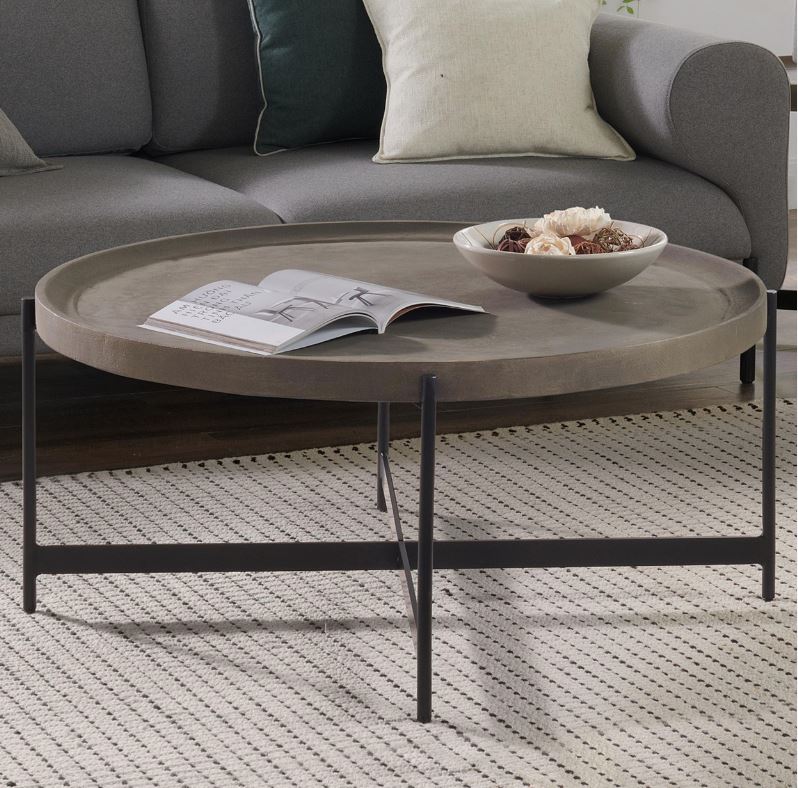
A well-designed office reception area can shape a visitor’s first impression before a conversation even begins. The right Office Coffee Table can make a waiting area feel organized, welcoming, and professional while also providing a convenient surface for magazines, documents, refreshments, or decorative items. For businesses in Manila and Quezon City, choosing the right table also means considering office size, daily traffic, interior style, durability, and ease of maintenance.
Whether you are furnishing a corporate office, startup, school, hospital, government facility, or professional workspace, a coffee table should complement the rest of your office furniture rather than compete with it. The best choice balances appearance, functionality, durability, and available floor space.
Why An Office Coffee Table Matters In A Professional Space
An office coffee table may seem like a small furniture piece, but it can contribute significantly to the overall usability of a workspace. Reception lounges, waiting areas, executive offices, meeting spaces, and breakout zones can all benefit from a practical central table.
Visitors often spend several minutes in reception areas before meetings or appointments. A suitable table gives them a convenient place to put a phone, notebook, beverage, or reading material. It can also make an otherwise empty seating arrangement look complete.
For employees, an office coffee table can support informal discussions and short breaks. In collaborative environments, it can create a more relaxed setting where people can communicate outside the traditional desk-and-chair arrangement.
Choosing The Right Office Coffee Table For Your Space
The first consideration should be the size of your room. A large table can look impressive in a spacious executive lounge but may make a smaller reception area feel crowded. Likewise, a very small table can appear out of proportion when placed between large sofas or lounge chairs.
Measure the available floor area before purchasing. Leave enough space around the table for people to walk comfortably and move chairs without obstruction. In busy offices, generous circulation space is especially important because visitors and employees may frequently move through the area.
The table should also relate to the dimensions of the seating. A low table generally works well with lounge sofas and armchairs, while a taller design may be more appropriate for informal meeting areas where users need easier access to documents or drinks.
Materials To Consider For Office Furniture
Material selection affects both appearance and long-term performance. Office coffee tables are commonly available in engineered wood, laminate finishes, metal, glass, solid wood, and combinations of different materials.
Engineered wood with a durable laminate finish can be a practical option for busy offices because it can offer a professional appearance while being relatively easy to maintain. Wood-look finishes can also complement desks, cabinets, reception counters, and workstations.
Metal can provide a contemporary appearance and is often suitable for modern commercial interiors. Glass can create a lighter visual effect, which may work particularly well in smaller rooms. However, businesses should consider cleaning requirements and the amount of daily use before selecting a glass design.
The ideal material depends on your office environment, expected traffic, maintenance preferences, and overall furniture style.
Popular Office Coffee Table Styles
Modern offices have many design options. Rectangular tables are versatile and work particularly well with longer sofas. Square tables can create a balanced arrangement in compact seating areas, while round and oval designs can soften the appearance of rooms dominated by straight lines.
Minimalist tables are popular in contemporary workplaces because they provide useful functionality without making the room appear visually crowded. Executive offices may benefit from richer finishes and more substantial construction, while startups and creative workplaces may prefer simple designs with distinctive shapes.
For reception areas, choose a style that complements the company’s visual identity. A professional office may benefit from neutral finishes, while a creative agency or design studio can use furniture with more character.
How To Match The Table With Existing Office Furniture
Your coffee table should look like part of the overall furniture system. Consider the finish, shape, color, and proportions of your existing desks, chairs, cabinets, and reception furniture.
For example, a workspace featuring warm wood finishes can use a coffee table with a similar tone. Offices with black metal frames and minimalist desks may benefit from a table with matching structural details.
Consistency does not mean every piece must look identical. Instead, use complementary materials and design elements to create visual harmony.
When selecting furniture for a complete office project, it can be helpful to consider the coffee table alongside workstations, executive desks, filing cabinets, reception counters, and office chairs.
Office Coffee Tables For Manila And Quezon City Workspaces
Office environments in Manila and Quezon City can vary considerably, from compact startup offices to large corporate facilities. This makes space planning particularly important.
For smaller offices, consider compact tables with simple silhouettes. Designs with open bases can also create a sense of additional visual space. Larger offices can accommodate wider tables that support multiple users and create a stronger focal point.
Businesses should also consider the expected level of traffic. Reception areas in hospitals, schools, government facilities, and corporate buildings may experience substantially more daily use than private executive offices. In these settings, durability and easy maintenance should be major purchasing considerations.
Using Coffee Tables In Reception And Waiting Areas
Reception furniture needs to make visitors feel comfortable while maintaining a professional appearance. A coffee table positioned between lounge chairs or sofas can create a defined seating arrangement without requiring a large amount of furniture.
You can place carefully selected magazines, company brochures, or informational materials on the surface. Keep the arrangement simple, however. Too many objects can make the area look cluttered.
The table should also be easy to clean. Reception areas are frequently used throughout the day, so finishes that can be maintained with routine cleaning can be more practical than delicate materials.
Creating An Informal Meeting Area
Not every workplace conversation needs to happen inside a conference room. An office coffee table can help create a casual meeting zone where employees can have short discussions, review documents, or welcome clients.
Pair the table with comfortable lounge chairs or a compact sofa. Position the seating so people can communicate naturally without feeling separated by excessive distance.
This type of arrangement can be especially useful in modern workplaces that include collaborative areas, breakout spaces, and flexible seating zones.
What Businesses Should Check Before Buying
Before purchasing an office coffee table, evaluate the table from both an aesthetic and functional perspective. Check its dimensions, construction quality, finish, stability, cleaning requirements, and compatibility with your existing furniture.
Think about who will use it and how frequently. A private office may have different requirements from a busy reception area. Similarly, a table intended for occasional client meetings may not need the same level of durability as one placed in a high-traffic waiting room.
Budget is another important factor, but price should not be the only consideration. A durable table that remains attractive and functional for years may provide better value than a cheaper product that needs frequent replacement.
Common Mistakes When Selecting Office Furniture
One common mistake is choosing furniture based only on appearance. A table may look excellent online or in a showroom but still be unsuitable for your available space.
Another mistake is ignoring circulation. People need enough room to move around seating areas comfortably. A beautiful table becomes a problem if employees or visitors constantly bump into it.
Businesses also sometimes choose furniture that does not match the rest of the office. A table with a completely different finish or scale can make an otherwise well-designed workspace appear disconnected.
Finally, avoid purchasing without considering maintenance. High-use commercial furniture needs finishes and construction that suit the demands of the environment.
How To Build A Cohesive Office Interior
A professional office works best when furniture pieces support a consistent design concept. Start by identifying the primary visual direction of the space. Contemporary, minimalist, executive, industrial, and classic interiors may each require different furniture choices.
Use repeated design elements throughout the office. Similar wood tones, metal finishes, shapes, or neutral colors can connect different furniture categories.
Your coffee table should therefore be considered as part of the complete interior rather than an isolated purchase. When desks, seating, storage, reception furniture, and lounge tables work together, the office can feel more organized and intentional.
Office Furniture Buying Advice For Businesses
Businesses planning a new office should create a furniture plan before making individual purchases. Consider the number of employees, visitor volume, available floor area, meeting requirements, storage needs, and future expansion.
For growing companies, flexible furniture can be particularly valuable. A well-planned lounge area can serve multiple purposes, including informal meetings, visitor seating, short breaks, and collaborative conversations.
If you are furnishing an entire workplace, purchasing multiple furniture categories from a reliable supplier can also make it easier to maintain consistent finishes and design quality.
Frequently Asked Questions
What Is An Office Coffee Table Used For?
An office coffee table provides a convenient surface in reception areas, lounges, executive offices, and informal meeting spaces for drinks, documents, reading materials, and everyday items.
What Size Office Coffee Table Should I Choose?
Choose a size that fits comfortably within the seating arrangement while leaving sufficient walking space around it. Measure the room and seating before purchasing.
Which Material Is Best For An Office Coffee Table?
There is no single best material. Laminate, engineered wood, metal, glass, and solid wood can all work depending on durability, maintenance, budget, and interior design requirements.
Can A Coffee Table Be Used In A Reception Area?
Yes. A well-sized table can make a reception or waiting area more functional and visually complete while giving visitors a convenient surface for personal belongings and reading materials.
Should The Coffee Table Match The Office Desk?
It does not have to match exactly, but complementary finishes, materials, and shapes can create a more cohesive office interior.
Is A Round Coffee Table Suitable For Offices?
Yes. Round tables can work well in lounge and reception spaces, particularly where you want to soften a room dominated by rectangular desks and furniture.
Make Your Office More Functional And Welcoming
The right coffee table can be a small but valuable part of a professionally planned workspace. From reception lounges in Manila to corporate offices in Quezon City, businesses should select furniture based on space, usage, durability, comfort, and visual consistency.
When planning an office interior, think beyond individual furniture pieces. Consider how the coffee table will interact with seating, desks, storage, lighting, flooring, and the overall layout. This approach can help create a workplace that looks professional while remaining comfortable and practical for employees and visitors.
For businesses looking for coordinated office furniture solutions, Modern Desks and Office Cubicles can be considered when planning furniture for professional workspaces. Requesting a quote, discussing dimensions, or reviewing available furniture options can help you make a more informed purchasing decision for your Manila or Quezon City office.
