 Skip to content

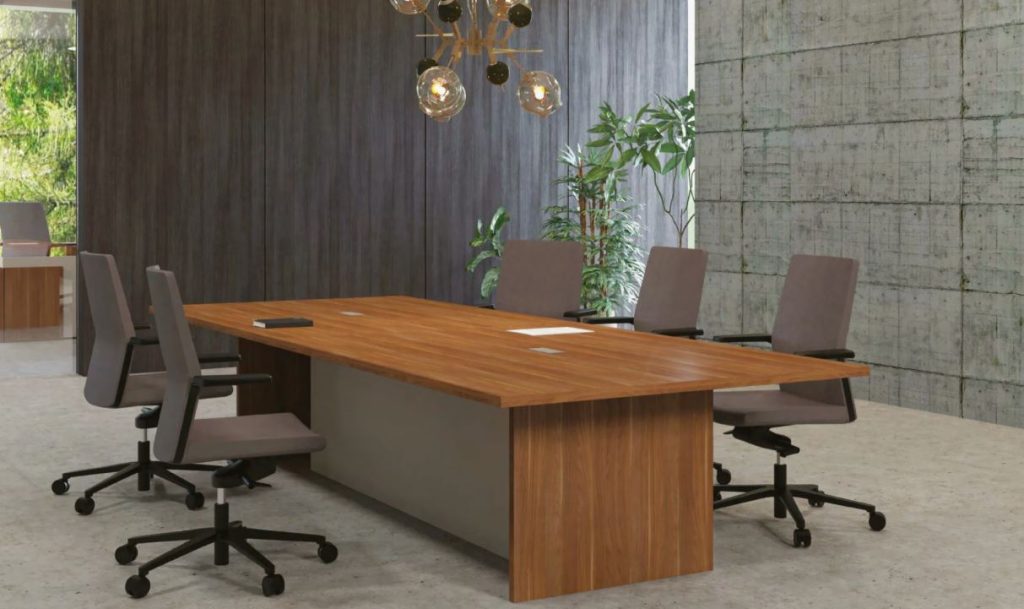
In today’s rapidly evolving workplace environment, office furniture trends are reshaping how companies design productivity-driven and employee-friendly spaces. Businesses are no longer focusing only on aesthetics; instead, they are combining comfort, flexibility, and functionality to create work environments that support efficiency and well-being. The demand for smarter layouts, ergonomic seating, and adaptable furniture solutions is increasing across corporate offices, startups, and even home office setups. These changes are driven by hybrid work culture, digital transformation, and the need for more collaborative yet distraction-free environments. As a result, companies are investing more time in researching how furniture impacts productivity, posture, and overall employee satisfaction. The modern workplace is now a reflection of innovation, and furniture plays a central role in shaping that identity.
Modern Workspace Design Evolution And Functional Aesthetics
The evolution of workspace design has significantly influenced current office furniture trends, where functionality meets visual appeal in a balanced way. Traditional bulky desks and rigid layouts are being replaced with sleek, minimalistic, and multi-purpose furniture pieces. Open-space layouts are becoming more common, encouraging collaboration while still maintaining personal focus zones through smart dividers and modular setups. Color psychology is also being integrated into office interiors, with neutral tones combined with subtle accents that enhance concentration and reduce stress. Companies are increasingly prioritizing furniture that not only looks modern but also adapts to changing work requirements. Adjustable desks, lightweight chairs, and mobile storage units are now essential components of contemporary offices. This evolution reflects a broader shift toward agility in workplace design, where flexibility and comfort go hand in hand to create a more productive environment.
Ergonomics And Employee Wellbeing As A Core Trend
One of the strongest drivers behind current office furniture trends is the growing emphasis on ergonomics and employee well-being. Organizations have realized that uncomfortable seating and poorly designed workstations can negatively affect productivity and health. As a result, ergonomic chairs with lumbar support, height-adjustable desks, and posture-friendly accessories have become standard in modern offices. These furniture solutions help reduce fatigue, prevent long-term health issues, and improve focus throughout the workday. Employers are also integrating sit-stand desks to encourage movement and reduce sedentary behavior. Beyond physical comfort, ergonomic design also contributes to mental well-being by creating a more relaxed and stress-free environment. Lighting integration, noise reduction panels, and thoughtfully designed workstations all contribute to a healthier workspace. This trend shows that investing in employee comfort is not just a luxury but a necessity for long-term organizational success.
Sustainable Materials And Smart Furniture Innovations
Sustainability has become a major influence in shaping office furniture trends, with businesses increasingly opting for eco-friendly materials and responsible production methods. Recycled wood, metal, and environmentally safe finishes are being used to reduce carbon footprints while maintaining durability and style. Many organizations are also choosing furniture that is designed for long-term use, minimizing waste and reducing the need for frequent replacements. Alongside sustainability, smart furniture is gaining popularity in modern offices. Desks with built-in charging ports, wireless connectivity features, and adjustable settings are making workplaces more efficient and tech-friendly. These innovations allow employees to work seamlessly without clutter or unnecessary distractions. The combination of sustainability and technology is redefining how office interiors function, making them more responsible and future-ready. Businesses that adopt these solutions are not only improving efficiency but also contributing positively to environmental conservation efforts.
Flexible Workspaces And Modular Furniture Solutions
Flexibility is another key aspect shaping modern office furniture trends, especially in workplaces that support hybrid or remote work models. Modular furniture systems are increasingly being used to create adaptable environments that can be easily reconfigured based on team size or project requirements. Movable desks, stackable chairs, and re-arrangeable partitions allow offices to transform quickly from individual workstations to collaborative meeting areas. This adaptability ensures maximum space utilization while maintaining comfort and functionality. Flexible furniture also supports creativity, as employees can choose different work setups depending on their tasks. For example, quiet zones for focused work and open areas for brainstorming sessions are becoming standard in many modern offices. This shift highlights the importance of dynamic environments that evolve with organizational needs rather than remaining fixed and outdated. Flexibility has become a defining feature of successful office design strategies.
Importance Of Choosing Reliable Office Furniture Stores
Selecting the right office furniture trends solutions also depends heavily on choosing trustworthy sources that provide quality and durability. Many businesses now prefer exploring specialized office furniture stores that offer a wide range of ergonomic, modular, and modern designs suitable for different workspace needs. These stores help organizations find furniture that aligns with their brand identity, budget, and functional requirements. It is important to evaluate material quality, design flexibility, and long-term usability before making purchasing decisions. Reliable stores also provide customization options, allowing businesses to tailor furniture according to their specific workspace layouts. Additionally, professional guidance from experienced suppliers ensures better decision-making when designing or upgrading office interiors. With the growing demand for modern office setups, selecting the right stores has become a critical step in achieving both aesthetic and functional excellence in workplace design.
Conclusion: Future Of Office Furniture And Workplace Innovation
The future of workplace design continues to evolve with rapidly changing office furniture trends, where innovation, comfort, and sustainability are at the core of every decision. Businesses are moving away from traditional setups and embracing flexible, ergonomic, and technology-driven solutions that enhance productivity and employee satisfaction. From modular layouts to smart furniture and eco-friendly materials, every element plays a vital role in shaping modern office environments. As companies continue to adapt to hybrid work cultures and dynamic business needs, the importance of well-designed office spaces will only grow stronger. In this evolving landscape, brands like Modern desks and office cubicles are contributing to redefining workspace efficiency and modern design standards, helping businesses create offices that are not only functional but also future-ready.
