 Skip to content

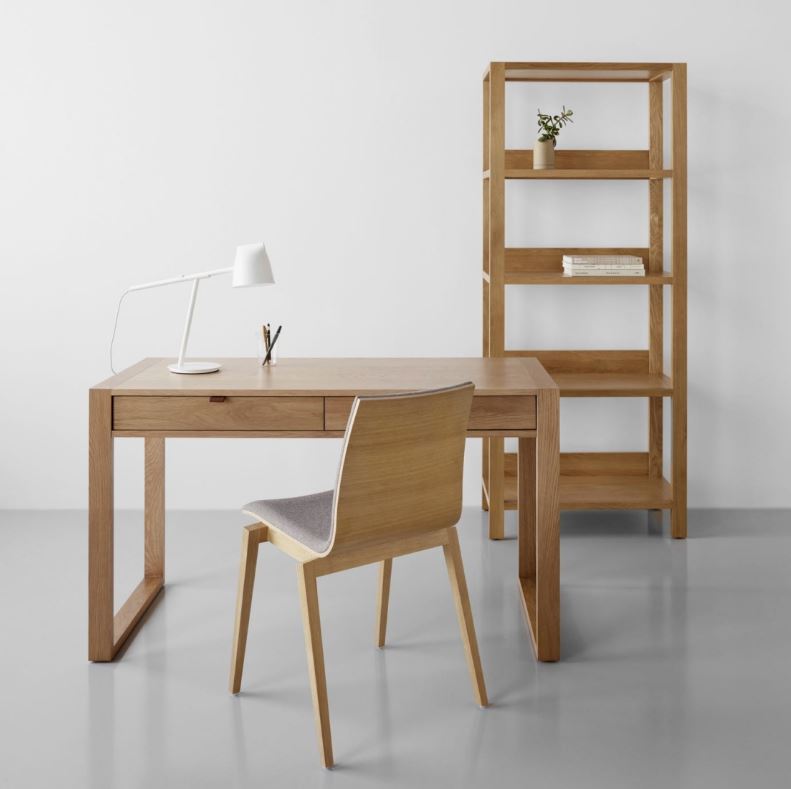
Choosing the right Desk furniture Philippines businesses can rely on is an important part of creating a productive, comfortable, and professional workplace. A desk is not simply a surface for a computer and documents. Its size, layout, storage, materials, cable management, and ergonomic features can influence how efficiently employees work throughout the day. For companies in Manila, Quezon City, and other parts of the Philippines, the ideal desk should balance functionality, durability, appearance, available floor space, and budget.
Modern workplaces have different requirements depending on their industry and team structure. A startup may need compact workstations that can be rearranged as the company grows, while a corporate office may require organized workstation clusters, executive desks, meeting tables, and storage. Schools, hospitals, government offices, architects, and interior designers may also have specific furniture requirements. Understanding these differences makes it easier to select office desks that support both daily operations and long-term workplace planning.
Why the Right Office Desk Matters
A well-designed office desk can make everyday tasks more organized and comfortable. Employees need enough working space for computers, monitors, documents, communication devices, and other equipment. When a desk is too small, the workspace can quickly become crowded. When it is unnecessarily large, it can consume valuable floor space that could be used for additional workstations, storage, meeting areas, or circulation.
Desk design also affects the overall appearance of an office. Consistent workstation finishes and coordinated furniture can create a more professional environment for employees, clients, visitors, and business partners. In customer-facing workplaces, furniture contributes to the first impression of the company.
For businesses planning an office renovation or a new workspace, desks should therefore be considered as part of the complete office layout rather than as individual products.
Types of Desk Furniture for Philippine Offices
Different working environments require different desk configurations. Before purchasing furniture, businesses should identify how employees work and how much space is available.
Straight Office Desks
Straight desks are practical for individual workstations, administrative areas, reception spaces, and compact offices. Their simple shape makes them easy to arrange in rows or clusters. They are also useful when businesses want to maximize usable floor space.
L-Shaped Office Desks
L-shaped desks provide a larger working surface while making efficient use of corners. They can be suitable for managers, supervisors, professionals who use multiple monitors, or employees who need separate areas for computers and paperwork.
Executive Desks
Executive desks generally provide a larger and more prominent workspace. They can be used in private offices, management rooms, boardrooms, and other areas where presentation and storage are important considerations.
Modular Workstations
Modular workstations are useful for companies that need multiple employee stations. They can be configured according to the available office space and may be combined with partitions, pedestals, cable management systems, and storage.
Height-Adjustable Desks
Height-adjustable desks allow users to alternate between sitting and standing. They can be considered by organizations looking to provide greater flexibility in modern workplaces.
Compact Office Desks
Small desks can be useful for startups, home offices, satellite locations, educational facilities, and workplaces with limited floor space. Compact furniture can help maintain an organized environment without overcrowding the room.
How to Choose Desk Furniture in Manila and Quezon City
Buying Desk furniture Philippines should begin with the workplace requirements rather than the appearance of a particular desk. Start by measuring the room, identifying the number of users, and considering the equipment each employee needs.
For offices in Manila and Quezon City, businesses should also consider delivery access, building restrictions, installation requirements, and the availability of space for moving furniture into the workplace. High-rise offices may have specific elevator or loading requirements, while smaller commercial spaces may need furniture that can be assembled efficiently on-site.
Consider these factors before making a purchase:
- Available floor space
- Number of employees
- Desk dimensions
- Storage requirements
- Computer and monitor setup
- Cable management
- Material durability
- Office design
- Employee comfort
- Cleaning and maintenance
- Future expansion
- Delivery and installation requirements
Taking these points into account can prevent costly furniture changes later.
Materials and Durability to Consider
The material used in an office desk affects its appearance, maintenance requirements, durability, and overall value. Common options include laminated boards, engineered wood, metal frames, wood-based materials, and combinations of different materials.
A busy office environment requires furniture that can withstand regular use. Procurement teams should look at construction quality rather than choosing furniture based only on its initial price.
Edge finishing, hardware quality, frame construction, drawer mechanisms, surface resistance, and overall stability are important details to evaluate. Businesses should also ask suppliers about warranties, replacement parts, maintenance, delivery, and installation before finalizing a large order.
Ergonomics Should Be Part of the Buying Decision
Office furniture should support the way employees actually work. Desk height, legroom, monitor positioning, keyboard placement, and available workspace can all influence comfort during extended periods of desk work.
A good desk should provide sufficient clearance for the user’s legs and allow equipment to be positioned comfortably. Employees using multiple monitors may require more depth or width than employees working primarily from a laptop.
Desk selection should also be coordinated with the office chair. A comfortable chair cannot compensate for a poorly positioned or incorrectly sized desk. The desk and chair should work together as part of an ergonomic workstation.
Desk Furniture for Different Business Needs
There is no single desk configuration that works for every organization.
Startups often benefit from flexible workstation systems because team sizes and departments may change quickly. Corporate offices may prioritize standardized workstations, executive areas, meeting spaces, and structured storage. Schools may need durable desks that can withstand frequent use, while hospitals and healthcare facilities may require specialized work areas that support administrative and operational activities.
Architects and interior designers can also benefit from selecting furniture early in the planning process. Desk dimensions, workstation configurations, partitions, storage, and circulation paths can influence the entire office layout.
Government and procurement teams should pay particular attention to specifications, quantities, documentation, delivery schedules, installation requirements, and long-term durability when sourcing furniture for larger projects.
Office Desk Design Trends in the Philippines
Modern offices increasingly favor clean layouts, practical storage, flexible workstations, and furniture that can adapt to changing work patterns. Businesses are also paying greater attention to collaborative areas and multipurpose spaces.
Cable management has become especially important because modern desks often support laptops, monitors, docking stations, chargers, networking equipment, and other devices. Keeping cables organized can improve both safety and the visual appearance of a workplace.
Neutral finishes and simple forms can also make office interiors easier to update. Businesses can create a contemporary appearance without selecting furniture that may quickly look outdated.
Why Customization Can Be Valuable
Standard desks can work well for straightforward office layouts, but customization may be useful when a business has unusual dimensions, specific storage requirements, or a particular design concept.
Customized office furniture can be planned around available floor space, workstation quantities, departments, storage requirements, and company branding. This can be especially useful for businesses fitting out new offices in Metro Manila where every square meter may need to be used efficiently.
Before ordering customized furniture, request detailed specifications, dimensions, material information, finish options, production timelines, installation details, and warranty terms.
What Should You Ask an Office Furniture Supplier?
Businesses should compare suppliers based on more than product photographs or advertised prices. A reliable supplier should be able to explain product specifications and the services included with an order.
Ask questions such as:
- What materials are used?
- What desk sizes are available?
- Can the furniture be customized?
- Is installation included?
- What is the expected delivery timeline?
- Is there a warranty?
- Can the supplier provide space-planning assistance?
- Are replacement components available?
- Can the supplier handle bulk office requirements?
- Can they provide a quotation based on the actual office layout?
These questions can help procurement teams make a more informed purchasing decision.
How to Plan a Larger Office Furniture Project
For larger offices, purchasing desks individually may not be the most efficient approach. Instead, create a furniture plan based on departments, employee counts, workstation types, storage requirements, meeting areas, and future growth.
A professional furniture supplier can help translate an office layout into a practical furniture package. This may include workstations, executive desks, office chairs, storage cabinets, pedestals, partitions, conference tables, and other workplace essentials.
A properly planned package can also make it easier to maintain a consistent appearance across different departments.
Common Mistakes When Buying Office Desks
One common mistake is selecting furniture based entirely on price. A low-cost desk may not provide the durability, dimensions, or functionality required for daily commercial use.
Another mistake is failing to measure the office before ordering. Furniture that looks appropriate online may not fit comfortably once installed.
Businesses should also avoid ignoring cable management, storage, employee workflow, installation access, and future expansion. These details may seem minor during the buying process but can become significant problems after installation.
Frequently Asked Questions
What is the best desk for a small office?
A compact straight desk or modular workstation can be practical for a small office because it provides useful workspace without consuming excessive floor area.
How do I choose the right office desk size?
Measure the available space first, then consider the equipment, documents, storage, and working style of the person who will use the desk.
Are modular workstations good for growing companies?
Yes. Modular workstations can provide flexibility because layouts can often be adjusted as teams and departments change.
Should office desks include storage?
Storage depends on the employee’s workflow. Pedestals, drawers, or nearby cabinets can be useful when workers regularly handle documents or office supplies.
What should businesses check before buying desks?
Businesses should check dimensions, materials, construction quality, ergonomics, warranty, delivery, installation, customization options, and supplier support.
Can office desks be customized for a specific layout?
Many commercial furniture suppliers offer customization options. Businesses should provide accurate measurements and workplace requirements before requesting a design or quotation.
Where can businesses source office desks in the Philippines?
Businesses can compare local office furniture suppliers, manufacturers, showrooms, and commercial furniture specialists based on product quality, customization, service, delivery, and installation capabilities.
Choosing Desk Furniture for a Professional Workplace
The right desk can contribute to a workplace that feels organized, comfortable, efficient, and professional. Instead of choosing furniture simply because it looks attractive, businesses should evaluate dimensions, materials, ergonomics, storage, layout flexibility, durability, and long-term requirements.
For companies searching for Desk furniture Philippines, the best approach is to define the workplace requirements first and then compare suitable furniture solutions. Whether the project involves a small startup office, a corporate headquarters, a school, a healthcare facility, or a government workplace, thoughtful furniture planning can help create a better environment for everyday work.
For businesses in Manila and Quezon City, Modern Desks and Office Cubicles can be considered when exploring office furniture solutions that match specific workspace requirements. Requesting a quotation or consultation with clear information about your floor area, employee count, preferred desk types, and budget can make the furniture selection process faster and more effective.
