 Skip to content

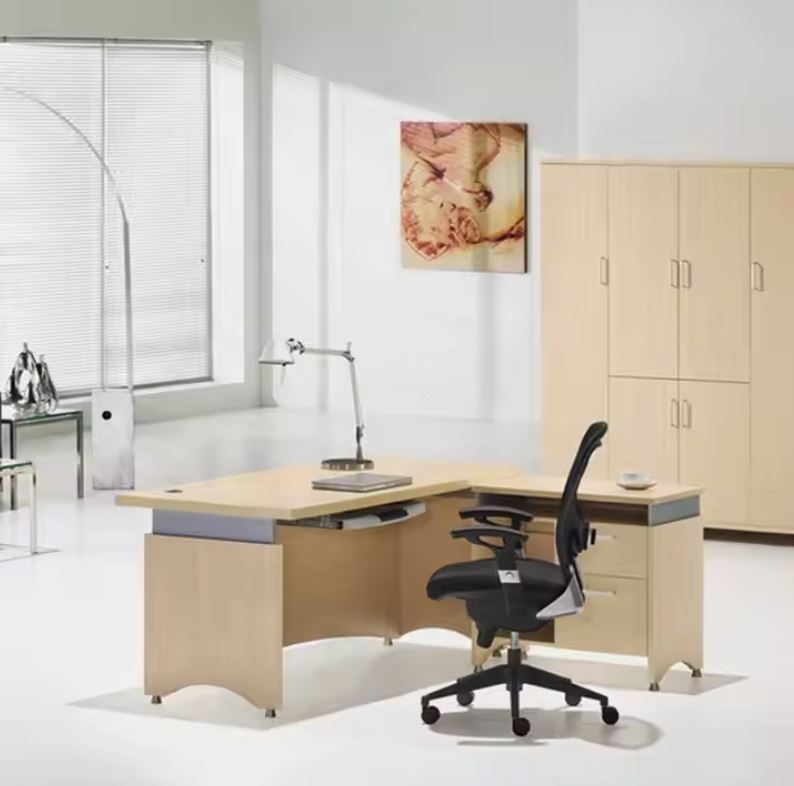
Comfort Furniture Design plays an important role in shaping how people feel and perform in both office and home environments. When furniture is designed with comfort in mind, it supports better posture, reduces physical stress, and improves overall productivity throughout the day. In modern interiors, the demand for comfort furniture design has increased because people now spend long hours sitting, working, and interacting in fixed positions. This makes it essential to choose furniture that not only looks good but also provides proper support and long-lasting usability. Whether it is an office chair, desk, sofa, or collaborative seating, the foundation of a healthy environment always begins with thoughtful comfort design that prioritizes human needs over purely visual appeal.
Importance Of Comfort Furniture Design In Everyday Life
The importance of comfort design extends far beyond appearance because it directly affects physical health and mental well-being. Poorly designed furniture often leads to back pain, neck strain, and fatigue, which can reduce efficiency in work and study routines. On the other hand, well-planned comfort design helps maintain natural body alignment, encourages movement, and supports long working hours without discomfort. In homes, it creates relaxing spaces where families can rest properly after a busy day, while in workplaces it enhances employee focus and reduces absenteeism caused by discomfort-related issues. As people become more aware of wellness and productivity, comfort furniture design has become a key factor in interior planning decisions across offices, homes, and commercial environments.
Ergonomic Approach In Comfort Design
A strong ergonomic foundation is essential in comfort design because it ensures that furniture adapts to the human body rather than forcing the body to adjust. Ergonomic chairs with lumbar support, adjustable heights, and proper cushioning are essential elements that define modern comfort furniture. Similarly, desks designed at the correct height help maintain wrist alignment and reduce strain during long working hours. Ergonomics also considers movement, ensuring that users can shift positions easily without losing support. This approach is particularly important in corporate settings where employees spend most of their day seated. By integrating ergonomics into comfort furniture, businesses and homeowners can create healthier environments that promote long-term physical wellness and improved performance.
Materials And Craftsmanship In Comfort Furniture
The selection of materials plays a crucial role in comfort furniture design because durability, texture, and support depend heavily on what the furniture is made from. High-quality wood, engineered boards, breathable fabrics, and premium cushioning materials are commonly used to enhance both comfort and longevity. Good craftsmanship ensures that every joint, stitch, and surface contributes to a stable and supportive structure. In modern comfort furniture design, manufacturers also focus on sustainable materials that are environmentally friendly while maintaining strength and elegance. The combination of advanced materials and skilled craftsmanship results in furniture that not only feels comfortable but also maintains its quality over time, making it a valuable investment for both homes and offices.
Role Of Office Stores In Comfort Furniture Design Solutions
Office stores play a major role in making comfort furniture accessible to businesses and individuals who want to improve their workspaces. These stores provide a wide range of ergonomic chairs, modular desks, meeting tables, and storage solutions that are designed to support productivity and comfort. In modern commercial environments, office stores also offer customized solutions that align with specific workspace requirements, ensuring that comfort furniture design fits different layouts and team sizes. With the growing demand for remote work setups and hybrid offices, these stores have expanded their offerings to include compact and flexible furniture options. This makes it easier for customers to choose products that match both their space and comfort needs without compromising on quality or design standards.
Modern Trends In Comfort Furniture For Offices And Homes
Modern trends in comfort furniture design are focused on flexibility, minimalism, and user-centered functionality. Adjustable furniture, modular seating systems, and multi-purpose desks are becoming increasingly popular in both residential and commercial spaces. Another major trend in comfort furniture design is the integration of technology, such as height-adjustable desks with digital controls and chairs with smart posture sensors. Minimalist designs are also gaining attention because they create clean and clutter-free environments that improve focus and relaxation. Additionally, there is a strong shift toward natural aesthetics, where wood textures, soft fabrics, and neutral tones are used to create calming interiors. These trends reflect a deeper understanding of how comfort furniture design can influence productivity, mood, and overall lifestyle quality.
Conclusion For Comfort Furniture In Contemporary Interiors
In conclusion, comfort furniture design is no longer just a luxury element but a necessary part of modern living and working spaces. It improves health, enhances productivity, and creates environments where people can feel relaxed and focused at the same time. From ergonomic principles to material selection and modern trends, every aspect of comfort furniture contributes to a better quality of life. Businesses and homeowners who invest in well-designed furniture are likely to experience long-term benefits in both comfort and efficiency. In today’s competitive and fast-paced world, brands like Modern desks and office cubicles understand the importance of delivering solutions that combine style, durability, and true comfort, making them a reliable choice for modern interiors.
