 Skip to content

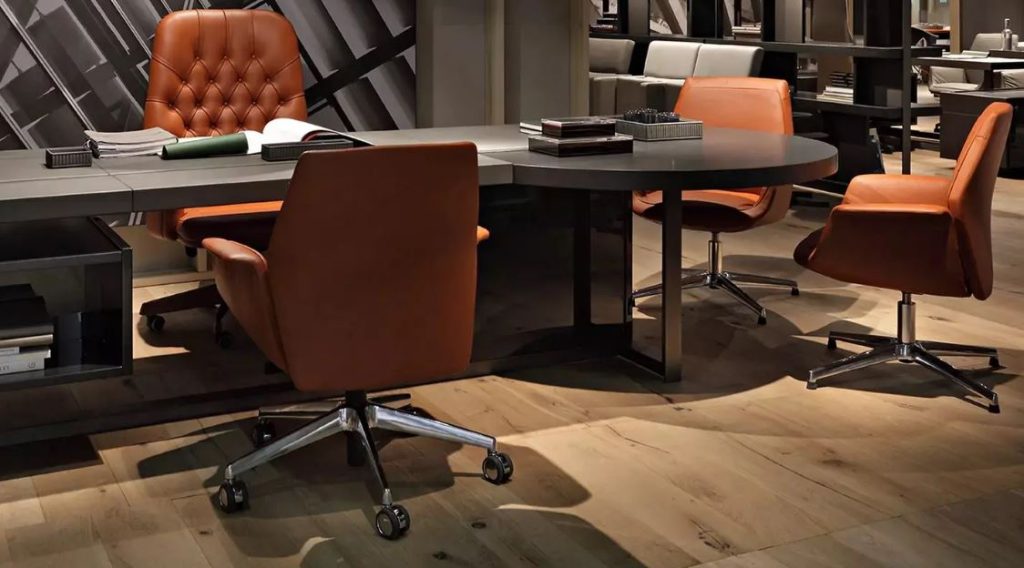
Choosing the right Office Furniture Corporate setup can influence how employees work, collaborate, organize documents, and interact with clients. For companies in Manila and Quezon City, office furniture needs to balance practical space planning with durability, comfort, professional appearance, and efficient use of available floor space. A well-planned corporate workspace can support different departments while creating a consistent environment that reflects the organization’s identity.
What Is Office Furniture Corporate?
Office Furniture Corporate refers to furniture designed for professional workplaces, including executive offices, employee workstations, meeting rooms, reception areas, training rooms, and shared workspaces. Unlike furniture selected only for appearance, corporate office furniture is generally planned around workplace requirements such as employee capacity, workflow, storage, privacy, collaboration, and long-term use.
A corporate furniture plan may include office desks, workstations, ergonomic chairs, conference tables, filing cabinets, storage units, reception counters, executive tables, pedestals, and modular partitions. The right combination depends on the organization’s size, working style, available space, and department requirements.
Why Corporate Office Furniture Matters
Furniture is one of the most visible and frequently used parts of an office. Employees interact with their desks and chairs throughout the working day, while visitors often form their first impression from reception areas, conference rooms, and executive spaces.
A practical furniture solution can help create clearer work zones and reduce unnecessary movement around the office. Properly selected desks provide enough working space, while suitable storage helps keep documents and supplies organized.
Corporate furniture can also support different workplace functions. A private executive office may require a larger desk and storage, while an open-plan department may benefit from modular workstations that accommodate several employees within the same floor area.
Choosing Corporate Office Furniture for Manila Workspaces
Office requirements vary considerably between businesses. A startup occupying a compact office may need flexible workstations, whereas an established corporation may require dedicated executive offices, meeting rooms, reception furniture, and larger employee departments.
When selecting Office Furniture Corporate solutions in Manila, consider the following factors:
- Available floor space
- Number of employees
- Department structure
- Workstation requirements
- Storage requirements
- Meeting and collaboration areas
- Employee comfort
- Furniture durability
- Office design
- Future expansion
- Installation requirements
- Available budget
Measuring the office before purchasing furniture is particularly important. Furniture should fit comfortably without creating narrow walkways or making shared spaces difficult to use.
Office Workstations for Corporate Teams
Workstations are an important component of many corporate offices. They can help organizations accommodate multiple employees while creating designated work areas.
Different workstation arrangements can serve different purposes. Straight workstations may work well for conventional layouts, while clustered configurations can encourage communication between team members. Bench-style workstations can also be useful where several employees need shared access to resources.
For Manila and Quezon City businesses, workstation selection should consider both available space and employee requirements. Cable management, desk dimensions, privacy screens, storage, and accessibility should be evaluated before finalizing a layout.
Executive Office Furniture
Executive spaces often require a different furniture approach. An executive office may include a larger desk, ergonomic executive chair, storage cabinets, visitor seating, and a small discussion area.
The furniture should maintain a professional appearance while remaining functional. A large desk with insufficient surrounding space, for example, can make an office feel crowded. Careful planning allows executive furniture to provide the required workspace without sacrificing movement and accessibility.
Conference and Meeting Room Furniture
Corporate meetings require Office Furniture Corporate that supports communication. Conference tables should provide adequate space for participants, laptops, documents, and other equipment.
The size and shape of a meeting table should correspond with the room dimensions and expected number of users. Chairs should also provide suitable support for longer meetings.
For businesses that frequently host clients or internal meetings, a well-organized conference room can provide a professional setting without relying on excessive decoration.
Reception Furniture Creates the First Impression
Reception areas are often the first physical point of contact between visitors and a company. A reception desk should therefore combine practical functionality with a professional visual appearance.
The reception area may also require visitor seating, storage, signage, and suitable lighting. Furniture dimensions should leave enough room for visitors and reception staff to move comfortably.
A coordinated reception area can create consistency between the company’s branding and its overall workplace design.
Ergonomics Should Be Part of Corporate Furniture Planning
Ergonomics should not be treated as an optional feature when selecting office furniture. Employees may spend many hours working at their desks, so furniture should support comfortable working positions and appropriate workstation organization.
An ergonomic setup may include an adjustable chair, suitable desk height, adequate monitor positioning, sufficient legroom, and easy access to commonly used equipment.
Furniture alone cannot guarantee good ergonomics because employee posture, equipment placement, and working habits also matter. However, furniture can provide the foundation for a more comfortable workstation.
Storage Solutions for Organized Offices
Corporate offices often handle contracts, records, stationery, equipment, and other materials. Without appropriate storage, work areas can quickly become cluttered.
Storage options can include filing cabinets, mobile pedestals, shelving systems, cupboards, and integrated workstation storage. The appropriate solution depends on what needs to be stored and how frequently employees need access to it.
Mobile pedestals can be particularly useful when employees need personal storage close to their workstations. Larger cabinets can be used for shared documents or office supplies.
Modular Furniture for Changing Business Needs
Businesses can change over time. Teams expand, departments move, and workplace layouts are sometimes redesigned. Modular furniture can provide greater flexibility because components can potentially be rearranged as requirements change.
This approach can be useful for startups and growing companies that do not want their entire furniture investment to become unsuitable after an office expansion.
When considering modular furniture, examine the connection systems, materials, dimensions, cable management, storage options, and potential future configurations.
How to Plan an Office Furniture Corporate Project
A corporate furniture project should begin with a clear understanding of workplace requirements.
First, measure the available office area and identify fixed elements such as columns, doors, windows, electrical points, and existing facilities. Next, determine how many employees will use the space and identify the requirements of different departments.
The next step is to divide the office into functional zones. These may include individual workstations, executive offices, meeting rooms, reception areas, storage areas, breakout spaces, and employee facilities.
After establishing the layout, furniture dimensions and specifications can be selected. This approach reduces the risk of purchasing furniture that looks suitable individually but does not work effectively as part of the complete office.
Common Corporate Office Furniture Mistakes
One common mistake is choosing furniture based only on appearance. Attractive furniture may not provide adequate storage, comfort, durability, or workspace.
Another mistake is failing to measure the office accurately. Oversized desks and cabinets can restrict movement and reduce usable space.
Businesses should also avoid selecting every furniture item independently. A coordinated furniture plan can create better consistency between workstations, meeting rooms, executive offices, and reception areas.
Ignoring future growth can create another problem. If a company expects to add employees, furniture should ideally provide some flexibility for future changes.
How to Choose the Right Office Furniture Supplier
A corporate furniture supplier should be able to understand workplace requirements rather than simply provide individual products. Ask about furniture dimensions, materials, customization options, installation, delivery, warranty coverage, and maintenance requirements.
It is also useful to review previous corporate projects and request furniture specifications before making a purchasing decision.
For businesses in Manila and Quezon City, local availability and installation support can also be important considerations. A supplier familiar with local office environments may be better positioned to coordinate delivery and installation requirements.
Modern Desks and Office Cubicles for Corporate Workspaces
Modern Desks and Office Cubicles can help businesses explore practical furniture options for different corporate environments. From employee workstations to executive areas and shared office spaces, furniture selection can be planned around the organization’s available space and operational needs.
Before requesting a quotation, businesses can prepare basic information such as office dimensions, employee count, preferred workstation arrangement, department requirements, and estimated furniture quantities. Providing these details can make the planning process more efficient and help suppliers understand the project more accurately.
Corporate Office Furniture Buying Checklist
Before finalizing a furniture purchase, review:
- Office measurements
- Employee capacity
- Desk dimensions
- Chair requirements
- Storage capacity
- Meeting room requirements
- Reception furniture
- Cable management
- Material and construction
- Maintenance requirements
- Delivery arrangements
- Installation requirements
- Future expansion needs
- Warranty information
This checklist can help businesses compare options based on practical requirements rather than appearance alone.
Frequently Asked Questions
What furniture is commonly used in corporate offices?
Corporate offices commonly use workstations, office desks, ergonomic chairs, executive tables, conference tables, storage cabinets, pedestals, reception counters, and office partitions.
How do I choose corporate furniture for a small office?
Measure the available space first, then prioritize essential workstations, comfortable seating, storage, and clear movement paths. Modular furniture can provide additional flexibility.
Is ergonomic furniture important for corporate offices?
Ergonomic furniture can support more comfortable workstation setups when combined with suitable desk height, monitor positioning, seating adjustments, and healthy working habits.
Should corporate furniture match throughout the office?
A consistent furniture style can create a more coordinated workplace, but different departments may require different furniture based on their specific functions.
Can corporate office furniture be customized?
Many office furniture solutions can be customized in terms of dimensions, configurations, finishes, storage, partitions, and workstation arrangements, depending on the supplier and product range.
What should I provide when requesting an office furniture quotation?
Provide office dimensions, employee numbers, preferred furniture types, floor plans if available, department requirements, and any specific customization or installation requirements.
Plan Your Corporate Office Furniture Around Your Business
Corporate furniture should be selected according to how people actually use the workplace. The right combination of workstations, desks, seating, storage, meeting furniture, and reception solutions can create a more organized and functional environment without unnecessarily filling the available space.
For businesses planning an office setup or renovation in Manila and Quezon City, reviewing the workplace layout before purchasing furniture can make the process more efficient. Modern Desks and Office Cubicles can be considered when exploring corporate office furniture options based on space, functionality, and business requirements.
