 Skip to content

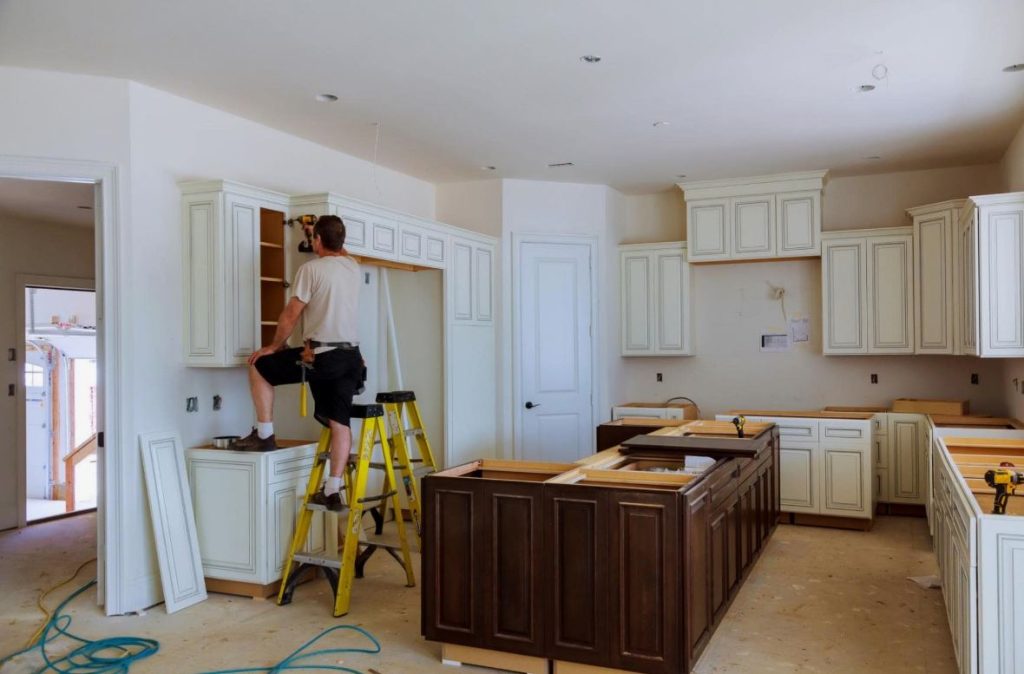
Renovating an office is more than changing paint, flooring, or lighting. The furniture you choose can influence how employees work, how clients perceive your business, and how efficiently every square meter is used. For companies planning an office upgrade, Renovation Furniture Philippines is an important consideration because the right desks, chairs, workstations, storage units, and meeting furniture can make a renovated space more practical and professional.
In Manila and Quezon City, businesses often need furniture solutions that balance appearance, durability, functionality, and available floor space. A successful renovation should therefore consider furniture from the beginning rather than treating it as an item to purchase after construction is complete.
Why Furniture Matters During Office Renovation
Office renovation creates an opportunity to rethink how a workplace functions. Simply replacing old desks with new ones may not solve problems such as overcrowding, poor circulation, limited storage, or uncomfortable workstations.
Furniture should support the purpose of each area. Workstations need enough space for computers and daily tasks. Meeting rooms require suitable conference tables and seating. Reception areas should provide a welcoming first impression, while private offices may need executive desks, storage, and comfortable visitor seating.
This is particularly important for businesses in dense commercial areas of Metro Manila, where floor space can be expensive. A carefully planned furniture layout can help organizations make better use of the space they already have.
Choosing Furniture for a Renovated Office
The first step is to understand the requirements of the workplace. Consider the number of employees, departments, work styles, storage requirements, meeting frequency, technology needs, and expected business growth.
For example, an open-plan office may benefit from modular workstations and office partitions. A company that requires frequent collaboration may need shared tables, meeting areas, and flexible seating. A professional services firm may prioritize private offices, reception furniture, and client meeting rooms.
When selecting furniture, consider durability as well as appearance. Office furniture receives regular use, so materials, hardware, construction quality, and ease of maintenance should all be evaluated before making a purchasing decision.
Office Workstations for Renovation Projects
Workstations are among the most important furniture elements in a modern office. They determine how employees interact with their computers, documents, colleagues, and surrounding space.
Modular workstations can be particularly useful during renovation projects because their configuration can often be adapted to different floor plans. They can also help businesses create designated work areas without constructing permanent walls throughout the office.
For growing companies, flexible workstation systems can make future changes easier. Additional desks can potentially be integrated into an existing layout, depending on the system and available space.
Office Desks and Tables
A Renovation Furniture Philippines office may require different desk types for different functions. Standard office desks can support everyday administrative work, while executive desks may be more suitable for management offices.
Conference tables should be selected according to the room dimensions and expected number of participants. Reception desks should provide enough space for staff while maintaining a professional appearance.
The size of each table should also allow sufficient movement around it. A visually attractive desk becomes a poor investment if employees cannot move comfortably around the workstation.
Ergonomic Office Chairs
Furniture renovation should not focus only on visual appearance. Employee comfort is equally important.
An ergonomic office chair should provide appropriate support and allow users to adjust the chair to their individual needs. Features such as adjustable seat height, suitable back support, armrest adjustment, and appropriate seat depth can contribute to a more comfortable workstation.
Businesses should also consider the relationship between the chair, desk height, monitor position, and keyboard placement. Ergonomics works best as a complete workstation approach rather than as a single furniture purchase.
Storage Furniture for a Renovated Workplace
Storage is frequently overlooked during office renovation. However, insufficient storage can quickly make a newly renovated workplace look cluttered.
Pedestal drawers, filing cabinets, shelving units, cupboards, and storage cabinets can help organize documents, office supplies, equipment, and personal belongings.
Before ordering storage furniture, determine what needs to be stored and how frequently employees need access to it. Frequently used materials should remain easily accessible, while archived documents and rarely used equipment can be positioned in less prominent storage areas.
Reception and Waiting Area Furniture
The reception area is often the first physical part of an office that visitors experience. It should therefore communicate professionalism while remaining comfortable and functional.
A reception desk should complement the overall office design. Visitor chairs and sofas should provide comfortable seating without making the area feel overcrowded.
Businesses can also use the reception area to establish visual consistency through matching finishes, materials, colors, and design elements.
Meeting Room Furniture
Meeting rooms serve many purposes, from client presentations and interviews to team discussions and management meetings.
The conference table should be proportional to the room. Oversized furniture can restrict movement, while a table that is too small may not accommodate the required number of participants.
Comfortable conference chairs are also important when meetings regularly last for extended periods. Cable management should be considered as well, particularly when the room is used for presentations, video conferences, and collaborative work.
Making Small Manila Offices Feel More Spacious
Office renovation projects in Manila and Quezon City often involve limited floor areas. Furniture selection can make a major difference in how spacious the workplace feels.
Modular desks, compact storage, vertical shelving, and carefully planned partitions can help maximize usable space. Furniture with clean lines can also reduce visual clutter.
The objective should not simply be to fit the maximum number of desks into a room. Employees need adequate circulation space, comfortable working areas, access to storage, and suitable collaborative zones.
A good renovation balances occupancy with usability.
Furniture Planning for Growing Businesses
Startups and expanding companies should consider future requirements before finalizing a furniture order.
A business may currently have 20 employees but expect to reach 30 or 40 within a few years. Purchasing a rigid furniture system may make future expansion more difficult.
Modular furniture can provide greater flexibility where appropriate. Companies should also consider whether furniture can be rearranged when departments change, teams expand, or workplace policies evolve.
This approach can help reduce the need for another major furniture replacement shortly after the renovation.
Sustainable Furniture Choices
Sustainability is becoming increasingly relevant to office renovation projects. Businesses can consider furniture materials, product durability, repairability, and expected lifespan when comparing options.
Durable furniture can reduce the frequency of replacement. Furniture that can be repaired, reconfigured, or reused may also provide greater long-term value.
When reviewing products, businesses should ask suppliers about materials, construction, maintenance requirements, warranties, and replacement parts where applicable.
Renovation Furniture Philippines for Different Business Types
Different organizations have different furniture requirements.
Corporate offices may need workstations, executive offices, meeting rooms, reception furniture, and employee storage. Startups may prioritize flexible and space-efficient furniture. Schools may require durable desks, chairs, staff workstations, and administrative furniture.
Hospitals and healthcare-related offices may have additional requirements for reception areas, administrative workspaces, records storage, and staff rooms. Government offices may require organized workstations, filing systems, meeting furniture, and procurement documentation.
Architects and interior designers can also benefit from working with a furniture supplier early in the design process. Furniture dimensions and configurations can influence space planning, electrical layouts, circulation, and room functionality.
Why Work With a Furniture Specialist
Renovating an office involves multiple decisions, and furniture should be coordinated with the overall project.
A specialist can help businesses evaluate available configurations, dimensions, materials, workstation arrangements, and installation requirements. This can be especially useful when the project involves multiple departments or a large number of employees.
Modern Desks and Office Cubicles can be considered as part of the planning process when businesses are looking for office furniture solutions for renovated workplaces. The goal should be to select products that fit the actual requirements of the office instead of choosing furniture based solely on appearance.
Common Mistakes to Avoid
One common mistake is purchasing furniture before measuring the space accurately. Even small measurement errors can create problems with circulation and installation.
Another mistake is selecting furniture based only on the lowest initial price. Low-cost products may not always provide the durability, functionality, or support required for intensive office use.
Ignoring storage is another frequent issue. A renovated workplace can quickly become cluttered when there is insufficient space for documents and supplies.
Businesses should also avoid designing every area around desks. Modern workplaces may require meeting spaces, collaboration zones, private rooms, reception areas, storage, and employee break areas.
How to Plan a Successful Furniture Renovation
Start by measuring the office and identifying the functions required in each area. Next, determine the number of users and the furniture needed for every department.
Create a preliminary floor plan before placing orders. This makes it easier to identify circulation problems and determine whether desks, partitions, cabinets, and meeting tables will fit comfortably.
After that, compare materials, configurations, warranties, installation requirements, and expected durability. Request quotations that clearly explain what is included, especially when delivery and installation are required.
Finally, coordinate furniture installation with the broader renovation schedule. Electrical outlets, network points, lighting, flooring, partitions, and furniture placement should work together rather than being planned independently.
Renovation Furniture Philippines: Manila and Quezon City Considerations
Businesses operating in Manila and Quezon City should consider the practical realities of their location. Office buildings can have different floor plans, access restrictions, loading requirements, elevator limitations, and installation schedules.
Before confirming an order, ask about delivery access, installation procedures, lead times, and any building-specific requirements.
For larger renovation projects, it is also useful to coordinate furniture planning with architects, contractors, interior designers, facilities managers, and procurement teams. This reduces the possibility of conflicts during installation.
How Much Furniture Should You Buy?
The correct quantity depends on the number of employees, office layout, working arrangements, and future growth.
Rather than ordering furniture based only on the current headcount, consider how the office is expected to operate over the next several years. Some organizations may need dedicated desks, while others may use shared workstations or flexible seating.
A furniture plan should also include meeting rooms, reception areas, storage, executive offices, and other functional spaces.
What Should You Ask a Furniture Supplier?
Before choosing a supplier, ask about product specifications, materials, dimensions, warranty coverage, delivery, installation, customization options, and after-sales support.
For larger projects, request detailed quotations and product specifications so procurement teams can compare suppliers accurately.
It is also helpful to discuss the floor plan with the supplier. This can reveal practical issues that may not be obvious when furniture is viewed individually.
Frequently Asked Questions
What is the best furniture for office renovation?
The best furniture depends on the office layout, employee requirements, available space, budget, and future growth plans. Modular workstations, ergonomic chairs, storage, and suitable meeting furniture are common choices.
How can I maximize furniture in a small office?
Use space-efficient workstations, vertical storage, practical layouts, and appropriately sized meeting furniture. Maintain enough circulation space instead of overcrowding the floor.
Should furniture be selected before office renovation?
Furniture should be considered early in the renovation process because its dimensions and layout can affect electrical planning, partitions, circulation, and room design.
Is modular office furniture good for growing businesses?
Yes. Modular systems can offer flexibility when teams expand or office layouts need to change, although suitability depends on the specific product and workspace.
Where can businesses buy renovation furniture in the Philippines?
Businesses can compare office furniture suppliers based on product quality, customization, installation, warranty, delivery, and experience with commercial projects. Modern Desks and Office Cubicles can be included in the supplier evaluation process.
What furniture is needed for a complete office renovation?
A typical project may require workstations, office desks, ergonomic chairs, storage cabinets, pedestals, conference tables, reception furniture, visitor chairs, and office partitions.
Final Thoughts
A successful office renovation should create a workplace that looks professional while supporting productivity, comfort, organization, and future growth. Furniture plays a central role in achieving that balance.
When evaluating Renovation Furniture Philippines, businesses should look beyond appearance and initial cost. Consider ergonomics, durability, available space, storage, flexibility, installation, maintenance, and long-term business requirements.
For companies in Manila and Quezon City, working with an experienced furniture provider can make the planning process easier and help ensure that the final workplace is practical as well as visually appealing. Modern Desks and Office Cubicles can be part of that process by helping businesses explore furniture options suited to renovated commercial environments.
The right furniture investment can turn an ordinary renovation into a more organized, comfortable, and productive workplace that continues to support the business as it grows.
